Hair care is often misunderstood as something that depends on products, trends, or occasional salon visits. In reality, the health and appearance of hair are shaped far more by consistent habits than by dramatic interventions. Hair responds slowly, steadily, and predictably to how it is treated day after day. Understanding this can completely change the way people approach their routines.
Rather than chasing instant results, long-term hair care focuses on preservation, balance, and patience. Small, repeatable actions—done correctly—build stronger hair over time.
Understanding Hair as a Living Fiber
Although hair itself is not alive, it behaves like a delicate fiber that reacts to stress, moisture, friction, and environment. Each strand has a structure that can weaken or strengthen depending on how it is handled.
When hair is repeatedly exposed to heat, tension, or harsh chemicals, its outer layer begins to break down. Once this damage accumulates, hair loses its shine, elasticity, and strength. Consistent care aims to slow this process rather than repair it after the fact.
Why Overwashing Causes More Harm Than Good
One of the most common hair care mistakes is overwashing. While clean hair feels fresh, frequent washing strips the scalp of its natural oils, forcing it to overcompensate.
This cycle often leads to oily roots and dry ends, creating imbalance. Washing hair less frequently allows the scalp to regulate itself naturally, improving both scalp health and hair texture over time.
Choosing a gentle shampoo and spacing out washes helps maintain moisture without sacrificing cleanliness.
Conditioning Is Not Optional
Conditioner is often treated as an optional step, but it plays a critical role in protecting hair. After shampooing, hair cuticles remain open and vulnerable. Conditioner smooths and seals these cuticles, reducing friction and breakage.
Applying conditioner primarily to mid-lengths and ends ensures hydration where it’s needed most, without weighing down the roots.
Skipping this step repeatedly leads to dryness, tangling, and split ends that could otherwise be avoided.
Heat Styling Requires Boundaries
Heat tools can be useful, but only when used with restraint. Daily exposure to high temperatures weakens hair protein and reduces elasticity.
Lower heat settings, heat protectants, and allowing hair to air-dry whenever possible significantly reduce damage. Even small adjustments—such as blow-drying from a distance or using tools less frequently—can preserve hair health long-term.
Healthy hair does not rely on daily heat to look presentable.
Brushing Technique Matters More Than You Think
Hair is most fragile when wet. Brushing aggressively during this stage leads to unnecessary breakage. Using a wide-tooth comb or detangling brush, starting from the ends and working upward, minimizes stress on the strands.
Dry brushing also benefits from patience. Gentle, controlled strokes protect the hair shaft and reduce friction.
These small habits often make a visible difference within weeks.
Nutrition Shows in Hair First
Hair health often reflects what is happening internally. Protein, iron, zinc, and healthy fats play key roles in hair strength and growth.
While topical products help protect existing hair, nutrition supports new growth. A balanced diet contributes to thicker, shinier hair over time.
Hair that lacks nutrients tends to become brittle and weak, regardless of external care.
People seeking guidance from hairdressers London often hear that consistent home care makes a bigger impact than occasional professional treatments—and this advice applies universally to maintaining healthy hair.
Sleeping Habits Affect Hair Quality
Night-time habits are often overlooked in hair care routines. Cotton pillowcases create friction that roughens hair cuticles. Switching to silk or satin reduces breakage and helps hair retain moisture.
Tying hair loosely rather than sleeping with it free prevents tangling and stress on the roots. These changes require no effort but offer noticeable benefits.
Hair Care Is Not One-Size-Fits-All
Hair texture, density, and porosity differ from person to person. What works well for one individual may not suit another.
Understanding personal hair needs—whether it requires more moisture, protein, or protection—helps tailor routines effectively. Listening to how hair responds is more valuable than following generic advice.
Trimming Supports Growth
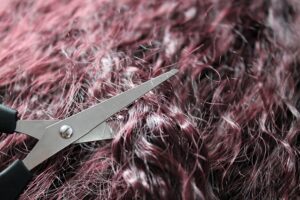
Contrary to common belief, trimming does not speed up hair growth. However, it prevents split ends from traveling upward, which preserves length over time.
Regular trims maintain shape and health, reducing the need for drastic cuts later.
Healthy hair grows best when damage is managed early.
Avoiding Product Overload
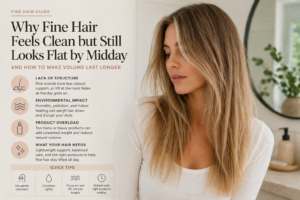
Using too many products can weigh hair down and cause buildup on the scalp. Minimal, well-chosen products often perform better than complex routines.
Hair thrives when it can move naturally without excess residue. Simplifying routines helps restore balance and shine.
Environmental Protection Is Essential
Sun exposure, pollution, and wind all affect hair health. Protective styles, hats, or leave-in conditioners shield hair from environmental stress.
These factors accumulate damage slowly, making prevention essential rather than reactive care.
Patience Is the Most Important Ingredient
Hair care rewards consistency, not urgency. Visible improvements take time, often weeks or months. Switching products too frequently disrupts progress.
Sticking to a routine allows hair to stabilise and respond positively.
Conclusion
Healthy hair is the result of habits practiced consistently rather than dramatic interventions. Gentle washing, mindful styling, balanced nutrition, and protective routines work together to preserve strength and shine. By focusing on daily care rather than quick fixes, hair becomes easier to manage, healthier to the touch, and more resilient over time. True hair care success lies not in complexity, but in commitment.