Hair care is often framed as a matter of doing more — more treatments, more products, more routines layered on top of one another. Yet for many people, hair does not improve with increased effort. In fact, it often becomes more fragile, less predictable, and harder to manage. This paradox reveals something important: healthy hair is rarely the result of intensity. It is more often the outcome of balance.
Understanding hair health through this lens changes the entire conversation. It shifts focus away from surface appearance and toward the systems that quietly support strength, growth, and resilience over time. Hair, after all, is not an isolated feature. It is part of a living system that responds to internal rhythms, environmental conditions, and daily habits in subtle but meaningful ways.
Hair as a Biological Signal
Hair Reflects What the Body Can Sustain
Hair is one of the few parts of the body that is visible, yet non-essential. When the body is under strain — whether from stress, lack of rest, nutritional imbalance, or environmental pressure — hair is often the first place where that strain becomes visible. This is not a flaw in hair, but a reflection of how the body prioritises its resources.
When conditions are supportive, hair grows with strength and consistency. When they are not, hair adapts by growing more slowly, more finely, or less evenly. This adaptation is gradual, which is why changes in hair health often feel confusing or disconnected from their cause.
Why Hair Changes Rarely Have a Single Explanation
It is tempting to look for one reason behind hair issues, but hair health is rarely influenced by a single factor. Growth cycles, scalp condition, daily handling, emotional stress, and environmental exposure all interact. When one area becomes strained, others often compensate until they can no longer do so.
Seeing hair as part of a system rather than a standalone problem allows for more realistic expectations and more sustainable solutions.
The Scalp as an Ecosystem
Why Scalp Health Comes Before Hair Quality
Hair grows from the scalp, yet many routines focus almost entirely on the visible length. A scalp that is tight, inflamed, congested, or imbalanced cannot support strong hair growth, no matter how carefully the ends are treated. Over time, this disconnect shows up as thinning, breakage, or hair that never quite reaches its potential.
A healthy scalp feels comfortable, flexible, and calm. It does not demand attention. When the scalp is supported properly, hair often improves quietly without dramatic intervention.
Balance Over Aggression
Aggressive cleansing or constant exfoliation can disrupt the scalp’s natural equilibrium. While these approaches may create a temporary sense of freshness, they often lead to rebound issues that undermine long-term hair health. Gentle, consistent care allows the scalp to regulate itself more effectively.
This balance creates a stable environment in which hair follicles can function without stress.
Daily Habits That Shape Hair Over Time
The Accumulation of Small Choices
Hair health is rarely determined by one decision. It is shaped by thousands of small choices repeated daily. How hair is dried, how often it is pulled back, how it is handled when wet, and how much friction it experiences during sleep all add up.
These habits often feel insignificant on their own, but over time they influence hair strength, density, and texture more than most people realise.
Why Consistency Matters More Than Perfection
Hair responds best to predictability. Constantly changing routines in search of quick improvement can confuse the scalp and stress the hair. Consistent care allows the hair cycle to stabilise, making gradual improvement possible.
This approach requires patience, but it tends to produce results that last.
Environment and Hair Resilience
Climate, Air, and Seasonal Shifts
Environmental conditions affect hair every day. Changes in temperature, humidity, and air quality influence moisture levels and scalp comfort. Over time, hair adapts to these conditions, sometimes becoming drier, more brittle, or harder to manage.
Understanding this relationship helps explain why hair can behave differently throughout the year, even when routines remain unchanged.
Urban Living and Hair Stress
City environments expose hair to pollution and fine particles that settle invisibly on the scalp and strands. While not always noticeable, this buildup can interfere with scalp balance and hair strength over time. Thoughtful cleansing and protection help mitigate these effects without overcorrecting.
The Emotional Dimension of Hair Care
Stress as a Silent Contributor
Emotional stress affects the body in complex ways, including how hair grows. Elevated stress levels can shorten growth phases or alter the quality of new hair, leading to gradual thinning or texture changes. These effects often appear months after the stressful period, making them difficult to trace.
Supporting emotional wellbeing is not separate from hair care. It is part of it.
Reframing Expectations
Hair often suffers when expectations are unrealistic. Comparing hair to idealised images or past versions of itself can lead to frustration and excessive intervention. Reframing hair care as support rather than correction allows for a more compassionate and effective approach.
Professional Context and Long-Term Thinking
As people begin to understand hair health as an ongoing process rather than a problem to fix, the environments they engage with also matter. In places where hair care is approached as an ongoing process rather than a quick result, such as award-winning Windle London salon that people return to for continuity, the focus often shifts toward balance, maintenance, and respect for how hair responds over time rather than immediate visual change.
This contextual approach reflects a broader cultural movement toward sustainability in personal care — not just in products, but in mindset.
Hair Care Products as Support Tools
Products as Part of a System
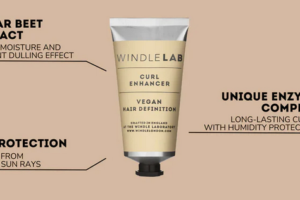
Hair care products are most effective when they support existing balance rather than attempt to override it. When chosen thoughtfully and used consistently, they help protect hair from environmental stress and mechanical damage.
Products work best as companions to healthy habits, not substitutes for them.
Listening to Hair Over Time
Hair communicates through texture, resilience, and behaviour. Learning to notice these signals allows routines to adapt gradually rather than reactively. This responsiveness builds trust in the process and reduces the urge to overcorrect.
A Sustainable Relationship with Hair
Hair health improves when care becomes less about control and more about understanding. Supporting the scalp, respecting biological rhythms, and maintaining consistent habits allow hair to strengthen in ways that feel natural rather than forced.
This approach does not promise perfection. Instead, it offers something more valuable: hair that feels supported, manageable, and resilient within the reality of everyday life.
Closing Reflection
Hair is not meant to be mastered. It is meant to be supported. When care aligns with how hair and scalp function naturally, improvement tends to follow quietly. Over time, hair reflects the balance it is given — not just in appearance, but in how it feels to live with.