Mold is a pervasive issue that many homeowners encounter, often leading to significant health risks and property damage. Understanding how to effectively manage and eliminate mold is crucial for maintaining a safe and healthy living environment. This comprehensive guide will walk you through the essential steps for Identifying, Removing, and Preventing mold growth in your home.

Understanding Mold: The Basics
Mold is a type of fungus that thrives in damp, warm environments. It reproduces through tiny spores that can easily become airborne, making it a common issue in homes. While some molds are harmless, others can pose serious health risks, particularly to individuals with allergies or respiratory conditions.
Types of Mold
Mold can appear in various colors and textures, each indicating different species. Some common types include:
- Aspergillus: Often found in homes, it can cause respiratory issues.
- Cladosporium: Typically appears as dark green or black spots and can trigger allergic reactions.
- Stachybotrys chartarum (Black Mold): Known for its toxicity, it can lead to severe health problems, including respiratory distress and skin irritation.
Health Risks Associated with Mold
Exposure to mold can lead to a range of health issues, including:
- Allergic reactions (sneezing, runny nose, itchy eyes)
- Respiratory problems (asthma attacks, chronic cough)
- Skin irritations (rashes, dermatitis)
Understanding these risks emphasizes the importance of prompt mold removal.
Identifying Mold in Your Home
The first step in addressing a mold problem is identifying its presence. Mold can often be hidden, making it essential to know where to look.
Signs of Mold Growth
Look for the following indicators of mold:
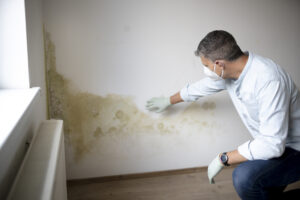
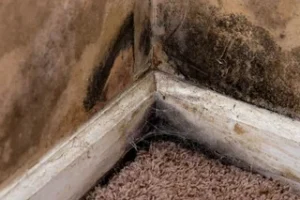
- Visible Mold: Dark spots or fuzzy growth on walls, ceilings, or floors.
- Musty Odors: A persistent damp smell can indicate hidden mold.
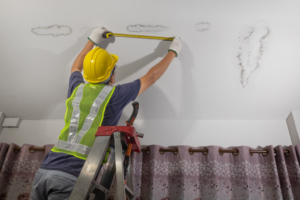
- Water Damage: Stains or discoloration on walls or ceilings may suggest moisture issues.
Conducting a Mold Inspection
If you suspect mold but cannot see it, consider conducting a thorough inspection. Check areas prone to moisture, such as:
- Bathrooms
- Kitchens
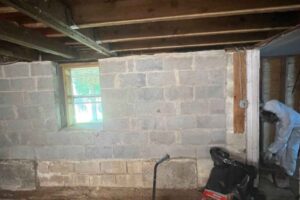
- Basements
- Around windows and doors
Addressing the Moisture Source
To effectively eliminate mold, it’s crucial to address the underlying moisture problem that allowed it to thrive.
Common Sources of Moisture
Identify and rectify these common moisture sources:
- Leaks: Inspect plumbing for leaks and repair them immediately.
- Condensation: Ensure proper ventilation in areas prone to condensation, such as bathrooms and kitchens.
- Humidity: Use dehumidifiers to maintain indoor humidity levels below 60%.
Fixing Water Issues
Once you identify the source of moisture, take immediate action to fix it. This may involve:
- Repairing leaks in pipes or roofs
- Improving drainage around your home’s foundation
- Sealing windows and doors to prevent water intrusion
Choosing the Right Cleaning Solutions
When it comes to mold removal, selecting the appropriate cleaning solution is vital for effectiveness and safety.
Common Cleaning Agents
Several cleaning agents can effectively remove mold, including:
- Hydrogen Peroxide: Safe for porous surfaces and effective against various mold types.
- Vinegar: A natural solution that can kill many mold species.
- Bleach: Effective for non-porous surfaces but not recommended for porous materials like wood.
Safety Precautions
Before using any cleaning solution, ensure proper ventilation in the area. Wear protective gear, including gloves, goggles, and a mask, to minimize exposure to mold spores and cleaning chemicals.
The Mold Removal Process
Once you have identified the mold and prepared your cleaning solution, you can begin the removal process.
Step-by-Step Mold Removal
- Prepare the Area: Seal off the affected area to prevent spores from spreading.
- Apply the Cleaning Solution: Spray the mold with your chosen cleaning agent and let it sit for several minutes.
- Scrub the Mold: Use a scrub brush to remove the mold, applying more cleaning solution as needed.
- Clean the Area: Wipe down the area with a clean cloth and ensure it dries completely.
- Dispose of Contaminated Materials: Safely discard any materials that cannot be cleaned, such as moldy carpets or drywall.
When to Call Professionals
If the mold covers a large area (greater than 10 square feet) or is located in hard-to-reach places, it may be best to hire a professional mold remediation service. They have the expertise and equipment to handle extensive mold issues safely.
Preventing Future Mold Growth
After successfully removing mold, taking steps to prevent its return is essential.
Maintaining Low Humidity Levels
Keep indoor humidity levels low to discourage mold growth. Consider the following strategies:
- Use dehumidifiers in damp areas.
- Ensure proper ventilation in kitchens and bathrooms.
- Open windows when weather permits to improve airflow.
Regular Maintenance Checks
Conduct routine inspections of your home to catch potential moisture issues early. Focus on:
- Checking for leaks in plumbing and roofs.
- Inspecting areas prone to condensation.
- Cleaning gutters and ensuring proper drainage.
Hidden Mold: What to Look For
Sometimes, mold can grow in hidden areas, making it difficult to detect. Understanding where to look can help you identify these hidden threats.
Common Hiding Spots
Mold often hides in places such as:
- Behind walls and wallpaper
- Under carpets and rugs
- Inside HVAC systems
Investigating Hidden Mold
If you suspect hidden mold, consider hiring a professional for a thorough inspection. They can use specialized equipment to detect mold in hard-to-reach areas.
The Role of Biocides in Mold Cleanup
Biocides are chemicals designed to kill living organisms, including mold. However, their use should be approached with caution.
When to Use Biocides
While biocides can be effective in certain situations, they are not always necessary. Consider using them when:
- Mold is extensive and difficult to remove with standard cleaning solutions.
- Individuals with compromised immune systems are present.
Safety Considerations
If you choose to use biocides, ensure proper ventilation and follow all safety guidelines. Never mix different cleaning agents, as this can produce harmful fumes.
Testing for Mold: Is It Necessary?
In many cases, visible mold growth is enough to warrant action. However, testing may be beneficial in certain situations.
When to Consider Testing
Testing for mold may be necessary if:
- You suspect hidden mold but cannot see it.
- You want to determine the type of mold present for health reasons.
- You are experiencing unexplained health issues that may be related to mold exposure.
Professional Mold Testing
If you decide to test for mold, hire a qualified professional. They can conduct air sampling and surface testing to provide accurate results.
Conclusion: Ensuring a Mold-Free Home
Mold removal is a critical aspect of home maintenance that should not be overlooked. By understanding the types of mold, identifying moisture sources, and following effective removal and prevention strategies, homeowners can create a safe and healthy living environment. Regular inspections and maintenance will help ensure that mold does not return, allowing you to enjoy your home without the worry of mold-related issues.
For more information about Mold Remediation Union NJ contact Us:
Business Name: Green Guard Mold Remediation Of Union
Address: 1620 US-22, Union, NJ 07083, United States
Phone: +1 908-263-1697
Email: info@greenguardmoldremediationunion.com
Website: https://greenguardmoldremediationunion.com/