Mold is a common concern for many homeowners and business owners in New Jersey, given the state’s humid climate and diverse environmental conditions. Mold testing is essential for identifying and addressing mold issues before they escalate into serious health risks. This article will explore the importance of mold testing, the process involved, and how to choose the right mold testing in New Jersey.

The Importance of Mold Testing
Mold can thrive in various environments, particularly in areas with high humidity or water damage. Understanding the significance of mold testing is crucial for maintaining a safe and healthy indoor environment.
Health Risks Associated with Mold
Exposure to mold can lead to a range of health issues, particularly for sensitive individuals. Common symptoms include:
- Respiratory problems such as coughing and wheezing
- Allergic reactions, including sneezing and skin irritation
- Chronic fatigue and headaches
In severe cases, prolonged exposure can lead to more serious conditions, making it essential to identify and mitigate mold growth promptly.
Environmental Impact
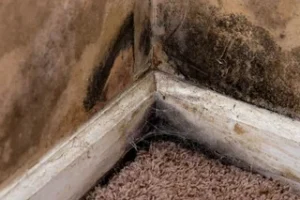
Mold not only affects human health but can also damage property. Mold can weaken structural components, leading to costly repairs. Regular mold testing can help prevent extensive damage and maintain the integrity of your home or business.
The Mold Testing Process
Understanding the mold testing process can help you feel more confident in addressing potential mold issues in your property.
Initial Assessment
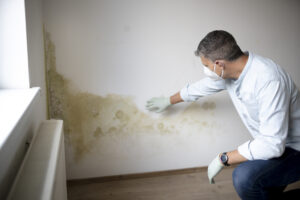
The first step in mold testing involves a thorough visual inspection of the property. A qualified mold expert will look for signs of mold growth, moisture issues, and potential sources of water intrusion. This assessment helps determine the extent of the problem and the necessary testing methods.
Air Quality Testing
Air quality testing is a critical component of mold testing. This process involves collecting air samples from various locations within the property. These samples are then sent to a laboratory for analysis to identify the types and concentrations of mold spores present.
Surface Sampling
In addition to air quality testing, surface sampling may be conducted. This involves taking swab samples from suspected mold-infested areas, such as walls, ceilings, and floors. These samples are also analyzed in a laboratory to confirm the presence of mold.
Moisture Assessment
A moisture assessment is essential for understanding the conditions that promote mold growth. Using specialized equipment, mold specialists can measure humidity levels and identify areas with excessive moisture. This information is crucial for developing an effective remediation plan.
Choosing the Right Mold Specialist in New Jersey
Selecting a qualified mold specialist is vital for ensuring accurate testing and effective remediation. Here are some key factors to consider when choosing a mold expert in New Jersey.
Credentials and Certifications
Ensure that the mold specialist you choose has the necessary certifications and training. Look for professionals who are certified by recognized organizations, such as the National Association of Certified Home Inspectors (NACHI) or the Indoor Air Quality Association (IAQA). These credentials indicate a commitment to industry standards and best practices.
Experience and Expertise
Experience matters when it comes to mold testing and remediation. Look for a mold expert with a proven track record in the field. An experienced specialist will have the knowledge and skills to identify mold issues accurately and recommend appropriate solutions.
Unbiased Testing
It’s essential to choose a mold testing company that does not offer remediation services. This ensures that the testing results are unbiased and not influenced by potential financial gain from remediation work. An independent mold testing company can provide a clear assessment of the situation without any conflicts of interest.
Customer Reviews and Testimonials
Researching customer reviews and testimonials can provide valuable insights into the quality of service offered by a mold specialist. Look for feedback from previous clients regarding their experiences with the company, including the thoroughness of inspections and the effectiveness of remediation recommendations.
Common Types of Mold Found in New Jersey
Understanding the types of mold that may be present in your home or business can help you recognize potential issues.
Aspergillus
Aspergillus is a common mold found in indoor environments. It can grow on various surfaces, including walls, ceilings, and HVAC systems. Some species of Aspergillus can produce mycotoxins, which can pose health risks to sensitive individuals.
Stachybotrys Chartarum
Often referred to as “black mold,” Stachybotrys chartarum is a toxic mold that thrives in damp environments. It is typically found on materials with high cellulose content, such as drywall and wood. Exposure to this mold can lead to severe health issues, making it crucial to address any signs of growth immediately.
Cladosporium
Cladosporium is another common mold found in homes and buildings. It can grow on various surfaces, including fabrics and wood. While it is not typically associated with severe health risks, it can still cause allergic reactions in sensitive individuals.
Preventing Mold Growth
Taking proactive measures to prevent mold growth is essential for maintaining a healthy indoor environment. Here are some effective strategies to consider.
Control Humidity Levels
Maintaining optimal humidity levels is crucial for preventing mold growth. Aim to keep indoor humidity between 30% and 50%. Using dehumidifiers and ensuring proper ventilation can help achieve this goal.
Address Water Intrusion
Promptly addressing any water leaks or intrusion is vital for preventing mold growth. Regularly inspect your property for signs of water damage, such as stains or discoloration on walls and ceilings.
Regular Maintenance
Conducting regular maintenance on your HVAC system and plumbing can help prevent mold growth. Ensure that gutters are clean and functioning properly, and inspect your home for any signs of moisture buildup.
The Role of Mold Remediation
If mold is detected during testing, remediation is necessary to eliminate the problem and restore a safe environment. Understanding the remediation process can help you navigate this critical step.
Developing a Remediation Plan
Once mold is identified, a mold specialist will develop a comprehensive remediation plan. This plan will outline the necessary steps to remove the mold and prevent future growth. It may include recommendations for repairs, cleaning, and moisture control.
Safe Removal Practices
Mold remediation should always be conducted by trained professionals. They will use appropriate safety measures, such as personal protective equipment (PPE), to minimize exposure to mold spores during the removal process.
Post-Remediation Testing
After remediation is complete, follow-up testing is essential to ensure that the mold has been effectively removed. This testing will confirm that the indoor environment is safe and free of harmful mold levels.
Conclusion
Mold testing is a crucial step in maintaining a safe and healthy indoor environment in New Jersey. By understanding the importance of mold testing, the process involved, and how to choose the right mold specialist, you can effectively address mold issues and protect your property and health. Regular inspections and proactive measures can help prevent mold growth, ensuring a safe space for you and your loved ones. If you suspect mold in your home or business, don’t hesitate to reach out to a qualified mold expert for assistance.
For more information about Mold Testing in Hackensack, NJ, please contact:
Green Guard Mold Remediation Hackensack
Address: 60 Court St, Hackensack, NJ 07601, United States
Phone: +1 551-324-9713
Email: info@greenguardmoldhackensack.com
Website: https://greenguardmoldhackensack.com/