Most homeowners don’t think about mold until they can already see it — a dark patch creeping along a bathroom grout line, a musty smell that just won’t go away no matter how many times you clean. And when that moment comes, the temptation is strong: grab some bleach, scrub it off, and move on. It seems simple enough. But if you’ve ever dealt with a serious mold problem, you probably already know that approach rarely solves anything for long.
Mold is one of those household issues that tends to be far bigger than what you can see on the surface. And that’s exactly why professional mold removal isn’t just a luxury — for many homes, it’s genuinely necessary.
The Problem With the DIY Approach
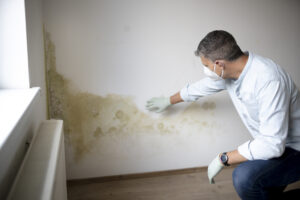
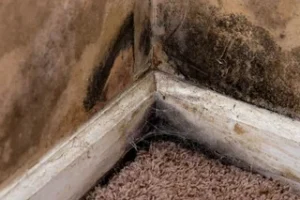
Here’s the thing about mold: it’s not just a surface stain. By the time you’re seeing it on your walls or ceiling, there’s a good chance it’s already established itself deep within drywall, insulation, or structural wood. Wiping the surface with a store-bought cleaner can make things look better temporarily, but it doesn’t address the root of the problem.
Worse, disturbing a mold colony without the right protective equipment and containment procedures can actually spread spores to other parts of your home. You might clean the bathroom and unknowingly send mold spores floating into your HVAC system, where they’ll find a new home and start the whole cycle over again — just somewhere you can’t easily see.
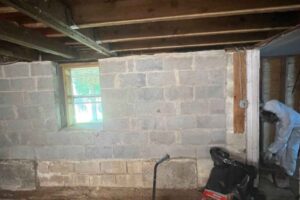
Professional remediation specialists are trained specifically to avoid this. They use containment barriers, negative air pressure machines, and HEPA filtration to make sure spores don’t migrate while the affected area is being treated.
Health Risks That Are Easy to Underestimate
Most people know mold isn’t great for their health. But the extent of it often surprises people. Common mold species like Cladosporium and Penicillium can trigger or worsen allergies, asthma, and respiratory infections — particularly in children, the elderly, or anyone with a compromised immune system.
Then there’s black mold (Stachybotrys chartarum), which produces mycotoxins that have been linked to more serious neurological and respiratory symptoms in some individuals. While not every “black” mold is the toxic variety, identifying what you’re dealing with requires proper testing — something most homeowners aren’t equipped to do on their own.
A professional mold remediation company will typically include air quality testing and mold identification as part of their process, so you actually know what’s in your home rather than guessing.
Finding the Source — Not Just the Symptom
One of the most valuable things a professional brings to the table is the ability to find where mold is really coming from. Because mold needs moisture to survive, there’s always an underlying source: a slow plumbing leak behind a wall, poor attic ventilation, a compromised roof flashing, condensation from an oversized AC unit. The list goes on.
Without addressing that moisture source, mold will return. Every time. Even if you do everything else right.
Experienced remediation teams don’t just remove the visible mold — they look for the cause. Sometimes that means bringing in moisture meters, thermal imaging cameras, or working alongside a plumber to identify a hidden leak. It’s a more thorough process than most DIYers can replicate, and it’s what actually makes the removal stick long-term.
What Professional Remediation Actually Involves
If you’ve never gone through professional mold removal, the process might seem vague. In practice, a qualified team will typically:
- Conduct an initial inspection and, if needed, air or surface sampling to identify mold types and the extent of contamination
- Seal off the affected area to prevent cross-contamination with the rest of the home
- Remove and safely dispose of porous materials (drywall, insulation, flooring) that can’t be effectively cleaned
- Treat structural surfaces with EPA-registered antifungal agents
- Use HEPA air scrubbers to filter out airborne spores during and after the process
- Verify clearance through post-remediation testing before considering the job complete
It’s not just wiping things down — it’s a methodical process with a beginning, middle, and a verified end.
The Cost Question
This is usually where people hesitate. Professional mold remediation isn’t cheap, and that’s a fair concern. Depending on the size and severity of the infestation, costs can range from a few hundred dollars for a small isolated area to several thousand for larger jobs involving structural materials.
But here’s the perspective worth keeping in mind: untreated mold doesn’t stay put. A small bathroom problem left to spread can eventually compromise structural wood, require major renovations, and affect your home’s resale value significantly. Some mortgage lenders and home inspectors won’t sign off on properties with active mold issues. Addressing it early — properly — almost always costs less than addressing it later.
Many homeowner’s insurance policies also cover mold remediation when it results from a covered event like a burst pipe, so it’s worth checking your policy before assuming you’re paying out of pocket.
Protecting the People Who Matter Most
At the end of the day, your home is where your family breathes, sleeps, and spends most of their time. The air quality inside your house has a direct impact on health — especially for kids, who tend to spend more time on floors and in areas where mold spores settle.
Professional mold removal isn’t about perfectionism or overcaution. It’s about making sure that when mold shows up — and it does, in a lot of homes — it gets handled in a way that actually solves the problem rather than pushing it underground until it comes back worse.
If you’ve spotted mold in your home and you’re not sure how serious it is, the best first step is always a professional inspection. Many companies offer free or low-cost assessments, and knowing what you’re actually dealing with is a lot better than hoping it goes away on its own.
For more information about Professional Mold Removal, please contact:
Business Name: Green Guard Mold Remediation Hackensack
Address: 60 Court St, Hackensack, NJ 07601, United States
Phone: +1 551-324-9713
Email: info@greenguardmoldhackensack.com
Website: https://greenguardmoldhackensack.com/