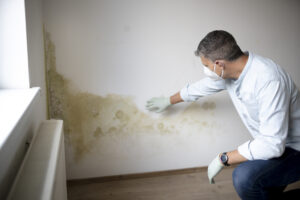
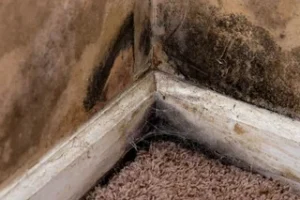
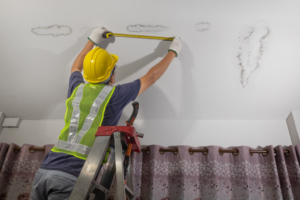
I used to assume that as long as my home looked clean, it was healthy. It wasn’t until a friend pointed out that the air inside most homes is actually more polluted than the air outside that I started paying attention. That felt backwards to me. But the more I looked into it, the more it made sense — sealed windows, synthetic materials, cleaning products, mold hiding behind walls. Your home can be working against you without you ever knowing it.To trace such issues it would require a Mold specialist help who performs some tests of the surroundings and give precautionary measures to escape illness from mold.
The good news is that you don’t need to gut-renovate your place or spend a fortune. A lot of this comes down to small, deliberate changes that add up over time. Here’s where I’d start.
Start with the Air You’re Breathing
This is the big one. Most people don’t think about indoor air quality until they’re sneezing constantly or someone in the house develops asthma. By then, you’ve been breathing the problem for a while.
Open your windows whenever the weather allows. It sounds almost too simple, but cross-ventilation — air moving in one window and out another — can flush out VOCs (volatile organic compounds) from furniture, paint, and cleaning products faster than any air purifier. Even fifteen minutes a day makes a difference.
If you live somewhere where opening windows isn’t practical (city pollution, extreme temperatures, allergies), a HEPA air purifier is worth the investment. Place it in the room where you spend the most time, which for most people is the bedroom. You’re breathing that air for seven or eight hours straight every night.
One more thing on air: watch out for what you burn or heat inside. Candles, especially heavily scented ones, release soot and sometimes formaldehyde. Gas stoves produce nitrogen dioxide. If you love candles, switch to beeswax or soy with cotton wicks. If you cook on gas, run the range hood every single time — don’t just use it when things get smoky.
Deal with Moisture Before It Becomes Mold
Mold is one of those things that people treat as a cosmetic problem when it’s actually a health one. Exposure to mold spores has been linked to respiratory issues, headaches, fatigue, and worse in people who are sensitive to it.
The goal is to keep indoor humidity between 30 and 50 percent. Below that, your skin and sinuses dry out. Above it, you’re giving mold and dust mites the environment they love. A cheap hygrometer (humidity monitor) from any hardware store will tell you where you stand.
Bathrooms and kitchens are the usual trouble spots. Run exhaust fans during and after showers — not just while you’re in there, but for ten to fifteen minutes after you leave. Fix any drips or leaks immediately. Check under sinks regularly. And if you notice a musty smell anywhere in your home, take it seriously. That smell is biological matter, and it doesn’t go away on its own.
Rethink Your Cleaning Products
Here’s something that took me a while to accept: a lot of conventional cleaning products are adding to your indoor air pollution, not reducing it. Products that smell strongly “clean” — that sharp, chemical scent — often contain ammonia, bleach, synthetic fragrances, or other compounds that irritate the airways and linger in the air long after you’ve wiped down the counter.
You don’t have to go full DIY to make progress here. Switching to fragrance-free, plant-based cleaners is a good start. White vinegar and water handle most surfaces. Baking soda scrubs gently. Castile soap diluted in water works as a general cleaner. These aren’t just “natural” alternatives — they genuinely work, and they don’t leave a chemical film on every surface you touch.
Whatever you use, always ventilate when cleaning. Open a window. Don’t mix products (bleach and ammonia together produce toxic chloramine gas — it’s more common of an accident than people realize).
Take a Hard Look at What You’re Bringing Inside
Your shoes are one of the most underrated vectors for bringing outdoor contaminants into your home. Studies have found pesticides, bacteria, pollen, and even heavy metals on the soles of shoes worn outside. A no-shoes policy — or at minimum a good doormat and a habit of leaving shoes at the entrance — cuts down on how much of that gets tracked across your floors and then kicked up into the air every time someone walks past.
The same logic applies to dry-cleaned clothing. Perchloroethylene, the chemical most commonly used in dry cleaning, is a suspected carcinogen. If you get things dry cleaned, air them out outside or in a well-ventilated area before bringing them into your closet.
Choose Your Furniture and Materials More Carefully
This is a longer-term shift, but worth thinking about. A lot of inexpensive furniture — particle board, MDF, certain foam cushions — off-gasses formaldehyde and other VOCs for months or even years after you bring it home. New furniture and new carpets often smell strongly for exactly this reason.
If you’re buying new, look for solid wood pieces or furniture certified low-VOC. When that’s not possible, unwrap new furniture and let it off-gas in a garage or well-ventilated space for a few days before bringing it indoors. For carpets, ask for low-VOC adhesives and underlays. Hard flooring in general tends to be healthier than carpet, which traps dust, allergens, and pet dander in its fibers.
Bring in a Few Plants (But Not Too Many)
Yes, plants help — but not in the miraculous way that one famous NASA study got people to believe. The reality is that you’d need dozens of plants per room to get meaningful air-purifying effects from them alone. What they do reliably: add humidity in dry environments, absorb a little CO2, and make a space feel more alive, which has real psychological benefits.
A few good choices for indoors: snake plants and pothos are nearly indestructible and tolerate low light. Peace lilies add humidity and can handle shade. Spider plants are safe around pets and children. If you have pets, always check whether a plant is toxic to them before bringing it home — some common houseplants, like philodendrons and pothos, are harmful if ingested.
Pay Attention to Light
Natural light regulates your circadian rhythm, affects your mood, and even influences your immune function. If your home is naturally dark, it’s worth thinking about how to maximize what you have — lighter curtains, strategically placed mirrors, painting dark walls a lighter color.
For artificial light, the color temperature matters more than people realize. Warm, amber-toned light in the evenings mimics sunset and signals to your brain that it’s time to wind down. Bright, blue-toned white light (the kind in most offices and overhead fixtures) suppresses melatonin and can make it harder to sleep. It’s a small switch — warm bulbs in living areas and bedrooms, cooler light where you work — but it compounds over time into better sleep and more consistent energy.
Declutter Strategically
Clutter isn’t just a visual problem. Every extra object is one more surface for dust to collect on, one more thing to move when you clean, one more source of mild low-level stress. Studies on stress and the home environment consistently find that cluttered spaces correlate with elevated cortisol levels, particularly in women.
You don’t need to go minimalist. Just be deliberate. The areas that most affect air quality are high shelves (dust falls), carpets and rugs (traps allergens), and upholstered furniture (same issue). Regular vacuuming with a HEPA-filter vacuum — not just a standard one — and washing soft furnishings periodically will do more than most people expect.
The Bigger Picture
Creating a healthier home isn’t a project with a finish line. It’s more like a series of small decisions made over time — the cleaning product you reach for, whether you open the window, which candle you buy. None of these changes in isolation will transform your health. Together, they lower the baseline of what your body is dealing with every single day.
And that matters. Because while you might spend a third of your life asleep in your bedroom, you’re probably spending close to two-thirds of your waking hours indoors too. It’s worth making sure that environment is working with you, not against you.
For more information about Healthier Indoor Living Space contact Us:
Business Name: Green Guard Mold Remediation NYC
Address: 598 Broadway 4th floor, New York, NY 10012, United States
Phone: +1 888-315-2146
Email: info@greenguardmoldremediationnyc.com
Website: https://greenguardmoldremediationnyc.com/