Mold is a type of fungus that thrives in damp environments, both indoors and outdoors. While it plays a crucial role in nature by breaking down organic matter, its presence in our homes can lead to various health issues. Understanding how mold affects our health is Essential for prevention and remediation. This article delves into the health risks associated with mold exposure, symptoms to watch for, and effective strategies for Mold identification, remediation , and prevention.
Understanding Mold and Its Growth Conditions
Mold is a microscopic organism that reproduces through spores. It can grow on various surfaces, including wood, paper, and even food, given the right conditions. Mold thrives in environments with high humidity, moisture, and warmth. Common areas in homes where mold is likely to develop include:
- Bathrooms: Due to frequent water use and poor ventilation.
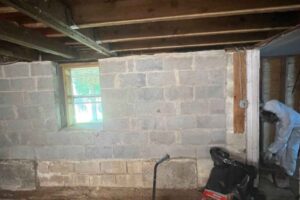
- Basements: Often damp and prone to leaks.
- Kitchens: Where spills and humidity from cooking can create ideal conditions.
Factors Contributing to Mold Growth
Several factors can contribute to mold proliferation in your home:
- Water Damage: Leaky roofs, plumbing issues, or flooding can create a breeding ground for mold.
- Humidity Levels: High indoor humidity, typically above 60%, can encourage mold growth.
- Poor Ventilation: Areas with inadequate airflow can trap moisture, leading to mold issues.
Health Risks Associated with Mold Exposure
While not all molds are harmful, certain types can pose significant health risks, particularly to sensitive individuals. Prolonged exposure to mold can lead to various health complications, including respiratory issues, allergic reactions, and more severe conditions.
Respiratory Issues
Mold exposure is closely linked to respiratory problems. Individuals with pre-existing conditions, such as asthma, may experience exacerbated symptoms when exposed to mold. Common respiratory symptoms include:
- Coughing: A persistent cough can develop as the body attempts to clear mold spores from the airways.
- Wheezing: This high-pitched sound during breathing can indicate airway constriction.
- Shortness of Breath: Difficulty breathing can occur, especially in those with asthma or other lung conditions.
Allergic Reactions
For many, mold exposure triggers allergic reactions. Symptoms can vary in severity and may include:
- Sneezing: A common response to inhaling mold spores.
- Itchy Eyes: Allergic conjunctivitis can result from mold exposure.
- Skin Rashes: Direct contact with mold can lead to skin irritation and rashes.
Long-Term Health Effects
Chronic exposure to mold can lead to more severe health issues, including:
- Asthma Development: Studies indicate that children exposed to mold in their homes are at a higher risk of developing asthma.
- Mood Disorders: Prolonged mold exposure has been linked to increased levels of stress, anxiety, and depression.
- Immune System Changes: Continuous exposure may alter immune responses, leading to inflammation and other health complications.
Identifying Mold in Your Home
Detecting mold early is crucial for effective remediation. Mold can often be identified by its appearance and smell. Here are some tips for identifying mold:
Visual Signs
Look for:
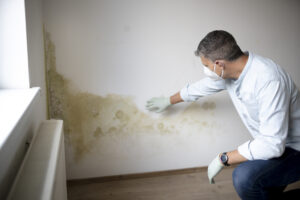
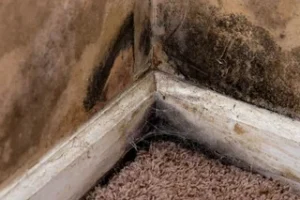
- Discoloration: Mold often appears as fuzzy or slimy patches in various colors, including black, green, or white.
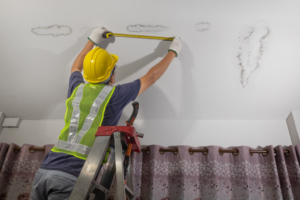
- Water Stains: Dark spots on walls or ceilings can indicate mold growth behind the surface.
Odor Detection
A musty or damp smell can be a strong indicator of mold presence, even if it is not immediately visible.
Hidden Mold
Mold can grow in hidden areas, such as behind walls, under carpets, or in HVAC systems. If you suspect mold but cannot see it, consider checking these areas.
Common Types of Mold
While there are thousands of mold species, some are more commonly associated with health issues. Notable types include:
Black Mold
Often referred to as Stachybotrys chartarum, black mold has garnered attention due to its potential health risks. While it can cause respiratory issues and allergic reactions, it is not necessarily more dangerous than other molds.
Aspergillus
This mold is commonly found in indoor environments and can cause respiratory infections, particularly in individuals with weakened immune systems.
Penicillium
Known for its role in antibiotic production, Penicillium can also cause allergic reactions and respiratory issues when present indoors.
Mold Remediation: When to Seek Professional Help
If you discover mold in your home, addressing the issue promptly is essential. Here’s how to approach mold remediation:
DIY Mold Removal
For small areas (less than 10 square feet), you can often handle mold removal yourself. Follow these steps:
- Protect Yourself: Wear gloves, goggles, and a mask to avoid inhaling spores.
- Clean the Area: Use a mixture of soap and water or a bleach solution (one cup of bleach per gallon of water) to scrub the affected area.
- Dry Thoroughly: Ensure the area is completely dry to prevent mold from returning.
Professional Mold Remediation
For larger infestations or if you are unsure about handling the situation, it’s best to hire a professional. Look for certified mold remediation specialists who can assess the extent of the problem and safely remove the mold.
Preventing Mold Growth in Your Home
Taking proactive measures can significantly reduce the risk of mold growth. Here are some effective strategies:
Control Humidity Levels
Maintaining indoor humidity between 30% and 50% can help prevent mold. Consider using:
- Dehumidifiers: These devices can help reduce moisture in the air.
- Hygrometers: Use these tools to monitor humidity levels in your home.
Improve Ventilation
Ensure proper airflow in your home by:
- Using Exhaust Fans: Run fans in bathrooms and kitchens to expel moisture.
- Opening Windows: Allow fresh air to circulate, especially during humid weather.
Address Water Issues Promptly
If you notice leaks or water damage, address them immediately. Common sources of water issues include:
- Roof Leaks: Regularly inspect your roof for damage.
- Plumbing Problems: Fix any leaks in pipes or fixtures promptly.
The Role of Air Quality in Mold Prevention
Indoor air quality plays a significant role in mold growth. Poor air quality can lead to increased humidity and moisture, creating an environment conducive to mold. Here are some tips to improve air quality:
Regular HVAC Maintenance
Ensure your heating, ventilation, and air conditioning (HVAC) systems are well-maintained. Regularly change filters and clean ducts to prevent mold spores from circulating in your home.
Use Air Purifiers
Consider using air purifiers equipped with HEPA filters to capture mold spores and improve indoor air quality.
Conclusion
Mold can indeed make you sick, particularly if you are exposed to it over an extended period. Understanding the health risks associated with mold exposure, recognizing the signs of mold in your home, and taking proactive measures to prevent its growth are essential steps in safeguarding your health. By maintaining a clean, dry, and well-ventilated living environment, you can significantly reduce the risk of mold-related health issues. If you suspect mold in your home, don’t hesitate to take action—your health depends on it.
For more information about Can Mold Make You Sick?, contact Us:
Business Name: Green Guard Mold Remediation NYC
Address: 598 Broadway 4th floor, New York, NY 10012, United States
Phone: +1 888-315-2146
Email: info@greenguardmoldremediationnyc.com
Website: https://greenguardmoldremediationnyc.com/