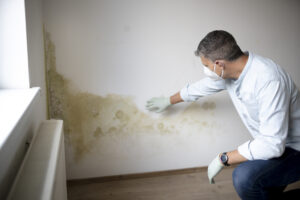
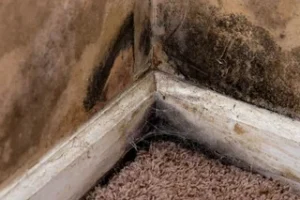
Mold exposure is a significant concern for many households, particularly for vulnerable populations such as children, seniors, and individuals with allergies. Mold is a type of fungus that thrives in damp environments and can produce spores that are easily airborne. When inhaled, these spores can trigger various health issues, ranging from mild allergic reactions to severe respiratory problems. Understanding how mold affects different age groups and those with pre-existing conditions is crucial for Remediation and management.
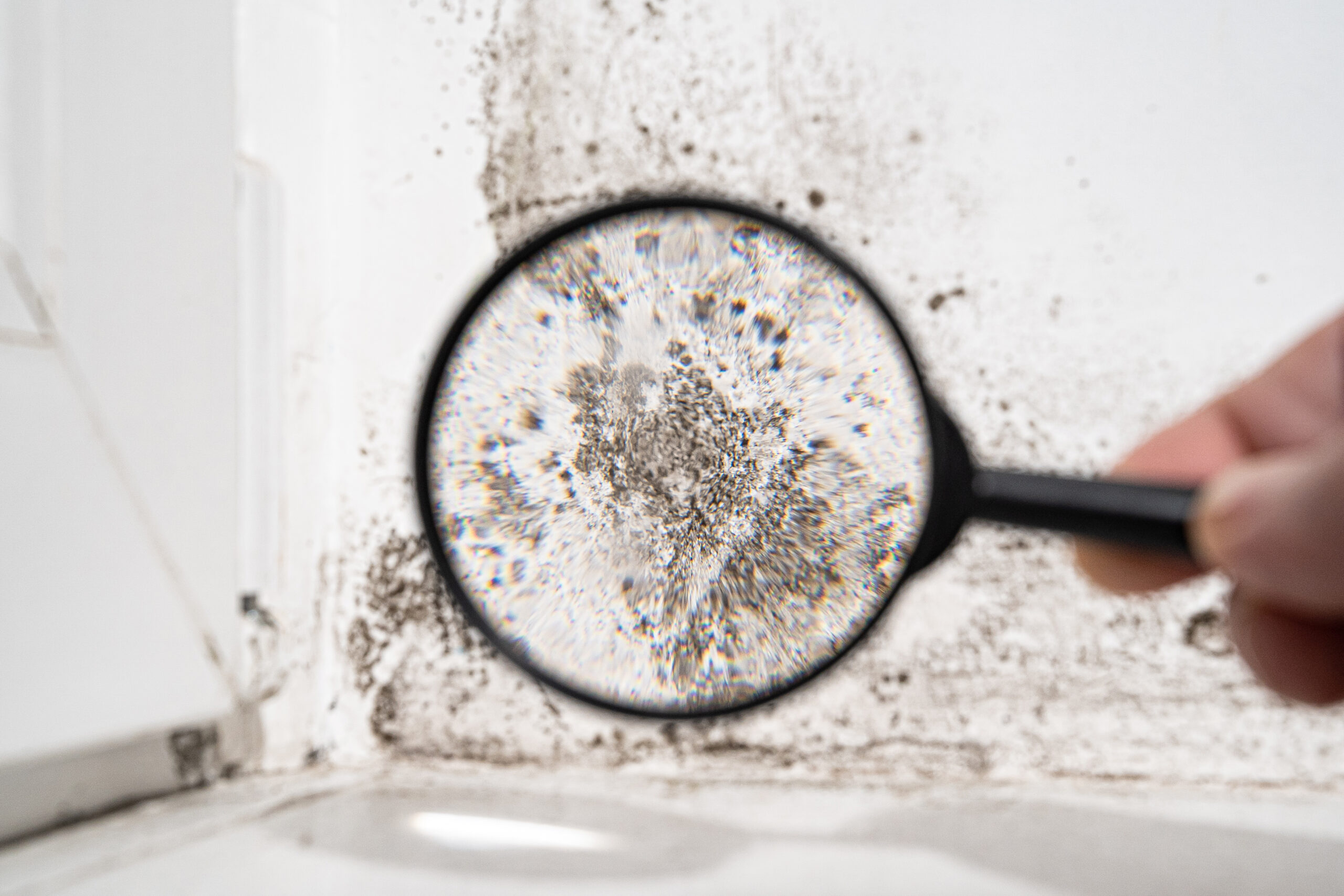
Understanding Mold and Its Growth Conditions
Mold is a natural part of the environment, playing a vital role in breaking down organic matter. However, when mold spores find suitable conditions—such as moisture, warmth, and a food source—they can proliferate rapidly. Common areas where mold is likely to grow include:
- Bathrooms: Due to high humidity levels from showers and baths.
- Kitchens: Where spills and leaks can create damp conditions.
- Basements: Often prone to moisture from groundwater seepage.
- Attics: Poor ventilation can lead to condensation and mold growth.
Types of Mold
While there are thousands of mold species, not all are harmful. However, certain types, such as Stachybotrys chartarum (commonly known as black mold), are notorious for their potential health risks. Other common molds include:
- Aspergillus: Often found in damp areas and can cause respiratory issues.
- Penicillium: Commonly found on food and in water-damaged buildings.
- Cladosporium: Can grow indoors and outdoors, often causing allergic reactions.
How Mold Affects Children
Children are particularly susceptible to the effects of mold exposure due to their developing immune systems and smaller airways. The following sections outline the specific impacts of mold on children’s health.
Respiratory Issues
Children exposed to mold may experience a range of respiratory problems, including:
- Coughing and Wheezing: Mold spores can irritate the airways, leading to persistent coughing and wheezing.
- Asthma Exacerbation: For children with asthma, mold exposure can trigger severe attacks, making it essential to manage their environment.
- Increased Risk of Infections: Mold can compromise respiratory health, making children more susceptible to infections.
Allergic Reactions
Children with mold allergies may exhibit symptoms such as:
- Sneezing and Nasal Congestion: Mold spores can trigger allergic rhinitis, leading to sneezing and a runny nose.
- Itchy Eyes and Skin: Allergic reactions can manifest as itchy, watery eyes and skin irritations.
Long-term Effects
Prolonged exposure to mold can have lasting effects on children’s health, including:
- Development of Chronic Conditions: Continuous exposure may lead to chronic respiratory conditions or allergies that persist into adulthood.
- Impact on Cognitive Development: Some studies suggest that exposure to mold may affect cognitive functions in children, although more research is needed in this area.
The Impact of Mold on Seniors
Seniors are another demographic that faces heightened risks from mold exposure. As individuals age, their immune systems may weaken, making them more vulnerable to health issues related to mold.
Respiratory Complications
Older adults may experience severe respiratory complications due to mold exposure, such as:
- Chronic Obstructive Pulmonary Disease (COPD): Mold can exacerbate symptoms in individuals with pre-existing lung conditions.
- Pneumonia: Exposure to mold spores can lead to lung infections, particularly in seniors with compromised immune systems.
Allergic Reactions
Similar to children, seniors can also suffer from allergic reactions to mold, including:
- Nasal Congestion and Sinusitis: Mold exposure can lead to inflammation of the sinuses, causing discomfort and pain.
- Skin Reactions: Seniors may experience rashes or hives as a result of mold allergies.
Cognitive Decline
Research indicates that mold exposure may contribute to cognitive decline in older adults. This can manifest as:
- Memory Loss: Seniors exposed to mold may experience difficulties with memory and concentration.
- Increased Risk of Dementia: Some studies suggest a potential link between mold exposure and the development of dementia-related conditions.
Allergy Sufferers and Mold Exposure
Individuals with existing allergies are particularly sensitive to mold spores. Understanding how mold affects this group is essential for effective management.
Allergic Reactions
For allergy sufferers, mold can trigger a range of symptoms, including:
- Respiratory Symptoms: Sneezing, coughing, and difficulty breathing are common reactions.
- Skin Reactions: Allergic dermatitis may occur, leading to itchy and inflamed skin.
Asthma Attacks
Mold exposure can significantly impact individuals with asthma, leading to:
- Increased Frequency of Attacks: Mold spores can act as triggers, causing more frequent and severe asthma attacks.
- Difficulty Managing Symptoms: Allergy sufferers may find it challenging to control their asthma symptoms when exposed to mold.
Long-term Health Risks
Chronic exposure to mold can lead to long-term health issues for allergy sufferers, including:
- Development of New Allergies: Continued exposure may increase the likelihood of developing additional allergies.
- Worsening of Existing Conditions: Individuals with pre-existing respiratory conditions may experience a decline in their overall health.
Identifying Mold Exposure
Recognizing the signs of mold exposure is crucial for timely intervention or remove mold. Common indicators include:
- Visible Mold Growth: Dark spots or patches on walls, ceilings, or other surfaces.
- Musty Odors: A persistent, unpleasant smell often indicates mold presence.
- Health Symptoms: Unexplained respiratory issues, allergic reactions, or skin irritations may signal mold exposure.
Testing for Mold
If mold is suspected, testing can confirm its presence. Methods include:
- Air Sampling: Collecting air samples to analyze mold spore concentrations.
- Surface Testing: Swabbing surfaces to identify mold species.
Managing Mold Exposure
Effective management of mold exposure involves several strategies:
Prevention
Preventing mold growth is the first line of defense. Key strategies include:
- Controlling Humidity: Keeping indoor humidity levels below 50% can significantly reduce mold growth.
- Fixing Leaks: Promptly repairing any leaks in plumbing or roofing can prevent moisture accumulation.
Remediation
If mold is present, remediation is essential. Steps include:
- Professional Removal: Hiring professionals to safely remove mold can prevent further exposure.
- Cleaning Surfaces: Using appropriate cleaning solutions can help eliminate mold from surfaces.
Medical Management
For those affected by mold exposure, medical management may be necessary. Options include:
- Allergy Medications: Antihistamines and corticosteroids can help manage allergic reactions.
- Asthma Inhalers: For individuals with asthma, inhalers can provide relief during attacks.
Conclusion
Mold exposure poses significant health risks, particularly for children, seniors, and allergy sufferers. Understanding the effects of mold on these vulnerable populations is crucial for prevention and management. By recognizing the signs of mold, implementing effective prevention strategies, and seeking medical assistance when necessary, individuals can protect themselves and their families from the adverse effects of mold exposure.
For more information about How Mold Exposure Affects Children, Seniors, and Allergy Sufferers, please contact:
Business Name: Green Guard Mold Remediation Hackensack
Address: 60 Court St, Hackensack, NJ 07601, United States
Phone: +1 551-324-9713
Email: info@greenguardmoldhackensack.com
Website: https://greenguardmoldhackensack.com/