Understanding Mold: What Is It and Where Does It Grow?
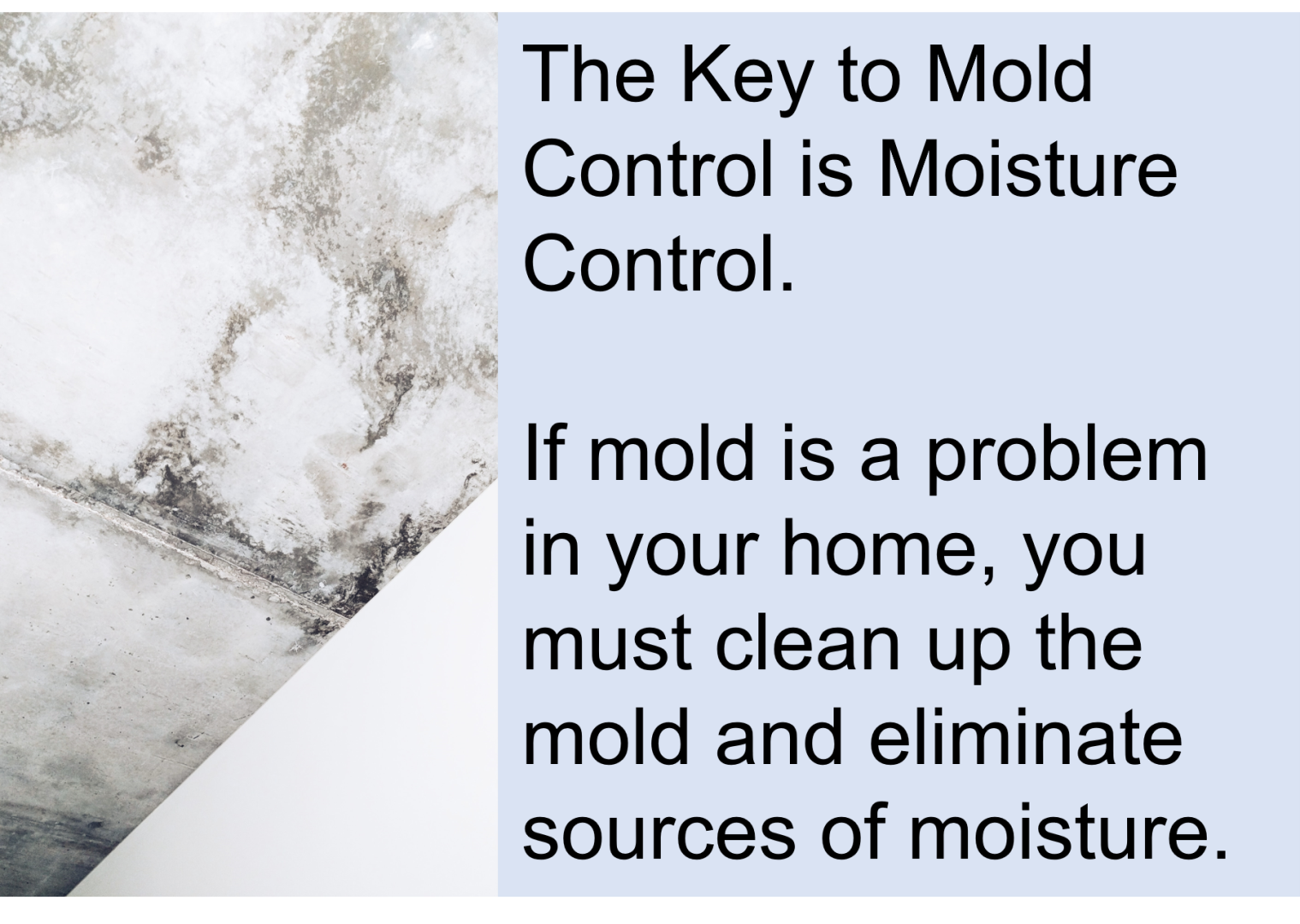
Mold is a type of fungus that thrives in damp and humid environments. It reproduces through tiny spores that can easily become airborne and settle in different areas of your home. Understanding mold is not just about knowing what it is but also recognizing the conditions that foster its growth. Typically, mold can be found in places like basements, bathrooms, kitchens, and areas with water leaks. It can grow on various surfaces such as wood, drywall, carpets, and even food.
As I delve deeper into the world of mold, I’ve discovered that it can occur indoors and outdoors. Outside, mold plays a crucial role in breaking down organic matter. However, when it invades our living spaces, it can lead to a myriad of health concerns. The key to preventing mold growth is moisture control. Keeping areas of your home dry and well-ventilated is essential in reducing the likelihood of mold takeovers.
In essence, mold is not just an unsightly nuisance; it requires our attention due to its potential health risks. Understanding mold’s biology and environmental needs sets the stage for recognizing how it can impact our well-being and living conditions.
Common Types of Mold Found in Homes
There are numerous species of mold that I may encounter in my home, but some are more prevalent than others. Here are a few common types of mold that I’ve learned about:
- Aspergillus: This is one of the most frequently found molds in households. It can grow on various surfaces, including food. Some species of Aspergillus can produce harmful toxins, making it a significant concern for health risks.
- Cladosporium: Often found on carpets, wood, and fabrics, Cladosporium can thrive in both warm and cool environments. Exposure to this mold can lead to respiratory issues, especially in sensitive individuals.
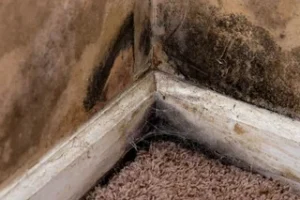
- Stachybotrys chartarum (Black Mold): Known for its dark coloration, black mold is infamous for being particularly harmful. It tends to grow in areas with excessive moisture, like behind walls or under carpets, and can lead to serious health complications.
- Penicillium: This mold is commonly found in water-damaged buildings. It can spread rapidly and is known for producing allergens that can trigger asthma and allergic reactions.
Recognizing these molds is crucial for home maintenance. The earlier I identify them, the quicker I can address the problem and mitigate health risks associated with prolonged exposure.
The Health Risks Associated with Mold Exposure
Living in a mold-infested home can expose us to various health risks. The adverse effects depend on several factors, including the type of mold, the duration of exposure, and individual sensitivities. My experience has shown that mold exposure can lead to both short-term and long-term health issues.
- Respiratory Problems: One of the most immediate health risks is respiratory distress. Mold spores can irritate the airways, causing symptoms like coughing, sneezing, and difficulty breathing. For individuals with asthma or existing respiratory conditions, exposure can exacerbate their conditions significantly.
- Allergic Reactions: Many people are allergic to mold, experiencing symptoms such as runny noses, itchy eyes, and skin rashes. Even if I don’t have a prior history of allergies, prolonged exposure to mold can sensitize my immune system and trigger allergic responses.
- Toxic Reactions: Certain molds, like Stachybotrys chartarum, produce mycotoxins that can lead to severe health issues. Symptoms can range from headaches and fatigue to more severe neurological conditions. Understanding these risks has made me more vigilant about mold presence in my home.
In summary, the health risks associated with mold exposure are not to be underestimated. Being aware of these potential dangers empowers us to take proactive measures in safeguarding our health and well-being.
Symptoms of Mold Exposure: How to Recognize Them
Recognizing the symptoms of mold exposure is crucial for early intervention. After learning about the various effects, I’ve become more attuned to the signs that may indicate mold exposure in my environment. Here are some common symptoms to watch for:
- Respiratory Symptoms: I’ve noticed that symptoms like coughing, wheezing, and shortness of breath can occur without any apparent reason, particularly in damp environments. If I find myself experiencing these issues consistently, especially in areas known for mold growth, it may be time to investigate further.
- Skin Reactions: Itchy skin, rashes, or hives can be direct responses to mold exposure. If I suddenly develop skin irritations after spending time in certain areas of my house, it may signal a mold problem.
- Neurological Symptoms: In more severe cases, exposure to toxic molds can lead to headaches, fatigue, memory loss, and even mood swings. Recognizing that these symptoms may be interconnected with my living environment has prompted me to address any mold concerns immediately.
Being aware of these symptoms allows me to take action sooner rather than later. If I notice any signs of mold exposure, I prioritize addressing the issue to protect my health and that of my loved ones.
Vulnerable Populations: Who Is Most at Risk?
Not everyone reacts to mold in the same way, and some groups are particularly vulnerable. Understanding who is at greater risk for health complications due to mold exposure is essential. Here are some populations that require extra caution:
- Children: Their immune systems are still developing, making them more susceptible to respiratory issues and allergic reactions caused by mold. As a parent, I am especially vigilant about ensuring that my home is mold-free to protect my children’s health.
- Elderly Individuals: Aging adults often have weakened immune systems, which can make them more susceptible to the adverse effects of mold exposure. I’ve learned that ensuring proper ventilation and moisture control can significantly benefit older family members.
- Individuals with Pre-existing Conditions: Those with allergies, asthma, or other respiratory conditions are at a higher risk. If I or anyone in my household has a known health issue, maintaining a mold-free environment becomes even more critical.
Understanding the vulnerabilities of these specific groups helps me to be more proactive in my home. The more I know about the risks, the better I can protect my loved ones from the hidden dangers that mold can pose.
Identifying Mold in Your Home: Signs and Indicators
Identifying mold in my home can sometimes be a challenge, especially since it can grow in hidden areas. However, there are several signs and indicators that can help me detect mold growth before it becomes a serious issue:
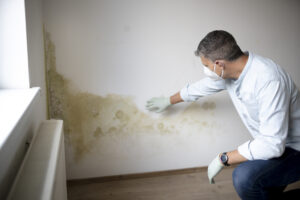
- Visible Mold Growth: The most apparent sign is the visible presence of mold, which can appear in various colors and textures. If I spot patches of green, black, or white in damp areas, it’s a clear indication that I need to take action.
- Musty Odors: A musty or earthy smell can signal mold growth, even if it’s not visibly apparent. If I notice this odor, I investigate further, as it may indicate hidden mold behind walls or under flooring.
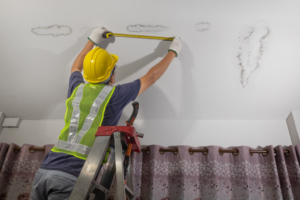
- Water Damage: Areas affected by water leaks or flooding are prime locations for mold growth. If I see stains on walls or ceilings, or if wood surfaces feel soft or discolored, it’s essential to check for mold.
By recognizing these signs early on, I can take the necessary steps to address mold growth and mitigate any health risks associated with it. Regular inspections of my living environment have become part of my routine to ensure that my home remains safe.
The Importance of Mold Testing and Inspection
Taking action against mold requires more than just visual inspections; it often involves professional testing and inspection. I have come to appreciate the importance of these services in ensuring a healthy living environment. Here’s why mold testing is essential:
- Accurate Identification: Professional mold testing can identify specific mold species present in my home, which is crucial for determining the potential health risks. Knowing whether I’m dealing with harmless mold or toxic varieties helps guide my remediation efforts.
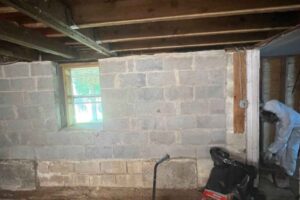
- Hidden Mold Detection: Mold can grow in concealed areas, making it difficult to detect without specialized equipment. Professionals can use advanced tools to locate hidden mold, ensuring that I don’t miss any problem spots.
- Comprehensive Assessment: A thorough inspection helps assess the extent of mold growth and moisture issues. This information is invaluable for developing an effective remediation plan and preventing future mold problems.
By investing in mold testing and inspection, I empower myself to take informed actions to protect my home and health. It’s an essential step in the journey toward a mold-free living space.
Effective Mold Removal and Remediation Strategies
Once mold is identified, the next step is effective removal and remediation. I’ve learned that addressing mold issues promptly is crucial for minimizing health risks and restoring a safe living environment. Here are some strategies that I find effective:
- Containment: Before starting the removal process, it’s essential to contain the affected area to prevent spores from spreading. I ensure that doors and windows are closed and use plastic sheeting to seal off the space where I’ll be working.
- Personal Protective Equipment (PPE): Wearing appropriate PPE, such as gloves, goggles, and masks, is vital during mold removal. This protects me from inhaling spores and coming into direct contact with mold, minimizing health risks during the process.
- Cleaning and Disinfecting: For smaller mold infestations, I can clean surfaces using a mixture of water and detergent. However, for larger problems, I may need to consider professional remediation services that employ specialized techniques and equipment to ensure thorough removal.
- Repairing Water Damage: Addressing the underlying issues that led to mold growth is essential. If there are leaks or moisture problems, I prioritize repairs to prevent future mold infestations. This holistic approach ensures that I’m not just treating the symptoms but also the root causes.
By implementing these strategies, I can effectively tackle mold issues in my home. Creating a safe environment is a continuous effort, and taking proactive measures to manage mold is a significant part of that process.
Preventing Mold Growth: Tips for a Healthier Home
Creating a mold-free home starts with prevention. Through my research and experience, I’ve compiled several effective tips that can help minimize the chances of mold growth:
- Control Humidity Levels: Keeping indoor humidity levels below 50% is crucial. I use dehumidifiers in damp areas, especially basements and bathrooms, to help regulate moisture.
- Ensure Proper Ventilation: Good airflow is vital. I make sure that exhaust fans are installed in kitchens and bathrooms and that vents are unobstructed to promote air circulation throughout my home.
- Address Water Leaks Promptly: Any leaks, whether from plumbing or roof issues, should be repaired immediately. I keep an eye on potential problem areas and make sure that any water damage is addressed quickly to prevent mold growth.
- Regular Cleaning: Regularly cleaning and inspecting areas prone to mold, such as bathrooms and kitchens, helps me stay ahead of potential issues. I incorporate mold-resistant products into my cleaning routine to enhance my home’s defenses.
- Use Mold-Resistant Materials: When renovating or building, I opt for mold-resistant materials. This proactive measure can significantly reduce the likelihood of mold growth in the future.
By incorporating these preventive strategies into my lifestyle, I can create a healthier living environment free from the dangers of mold. Prevention is key to protecting my home and well-being.
Conclusion: Taking Action Against Mold for Better Health
Living with mold can pose significant health risks, and understanding the importance of addressing this issue is paramount. Throughout this exploration, I’ve learned that mold is more than just an aesthetic problem; it can have real implications for our health and quality of life.
By understanding mold, recognizing its types, and acknowledging the health risks associated with exposure, I can be more proactive in my home. Identifying symptoms of mold exposure, understanding vulnerable populations, and employing effective removal and prevention strategies are essential steps in safeguarding my health and that of my loved ones.
For More Information about Hidden Health Risks of Living with Mold Contact us :
Business Name: Green Guard Mold Remediation of Edison
Address: 6 Kilmer Rd, Edison, NJ 08817, United States
Phone: 908-762-8046
Email: info@greenguardmoldremediationedison.com
Website: https://greenguardmoldremediationedison.com/