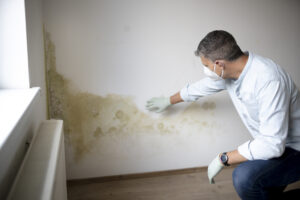
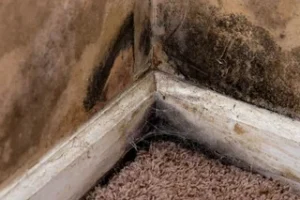
Mold exposure is a common issue that can lead to a variety of health problems, particularly for individuals with sensitivities or pre-existing conditions. Understanding the symptoms associated with mold exposure is crucial for early Detection and intervention. This article delves into the top health symptoms caused by mold exposure, providing insights into their causes, effects, and management strategies.
Understanding Mold and Its Impact on Health
Mold is a type of fungus that thrives in damp environments. It reproduces through tiny spores that can easily become airborne, leading to widespread exposure. While mold is a natural part of the environment, excessive exposure, especially indoors, can lead to significant health issues.
Types of Mold
There are various types of mold, but some of the most common include:
- Aspergillus: Often found in soil and decaying vegetation, it can cause respiratory issues.
- Penicillium: Commonly found in water-damaged buildings, it can lead to allergic reactions.
- Stachybotrys chartarum: Known as black mold, it is notorious for its potential health risks, particularly in individuals with weakened immune systems.
How Mold Affects Health
Mold exposure can trigger a range of health symptoms, primarily affecting the respiratory system. The severity of symptoms often depends on individual sensitivity, the type of mold, and the duration of exposure.
Common Symptoms of Mold Exposure
Recognizing the symptoms of mold exposure is essential for timely intervention. Here are some of the most prevalent symptoms:
Respiratory Issues
One of the most common effects of mold exposure is respiratory problems. Individuals may experience:
- Coughing: A persistent cough can develop as the body attempts to clear mold spores from the airways.
- Wheezing: This is often a sign of airway constriction, particularly in those with asthma or other respiratory conditions.
- Shortness of Breath: Difficulty breathing can occur, especially in individuals with pre-existing lung conditions.
Allergic Reactions
Mold can trigger allergic reactions in sensitive individuals. Symptoms may include:
- Sneezing: Frequent sneezing can occur as the body reacts to mold spores.
- Nasal Congestion: Blocked nasal passages can lead to discomfort and difficulty breathing.
- Itchy Eyes: Allergic conjunctivitis can result from mold exposure, causing redness and irritation.
Skin Irritation
Direct contact with mold can lead to skin issues, such as:
- Rashes: Skin rashes may develop, particularly in individuals with mold allergies.
- Itching: Persistent itching can occur, leading to discomfort and potential secondary infections.
Neurological Symptoms
Some individuals report neurological symptoms associated with mold exposure, including:
- Headaches: Frequent headaches can occur, often linked to allergic reactions or environmental factors.
- Cognitive Issues: Difficulty concentrating or memory problems may arise, particularly in cases of prolonged exposure.
Long-Term Health Effects of Mold Exposure
While many symptoms of mold exposure are temporary, long-term exposure can lead to more serious health issues.
Chronic Respiratory Conditions
Prolonged exposure to mold can exacerbate existing respiratory conditions, leading to:
- Asthma: Individuals with asthma may experience more frequent and severe attacks.
- Chronic Obstructive Pulmonary Disease (COPD): Long-term exposure can contribute to the progression of COPD.
Fungal Infections
For individuals with weakened immune systems, mold exposure can lead to serious fungal infections, such as:
- Aspergillosis: This infection can affect the lungs and other organs, particularly in immunocompromised individuals.
- Sinusitis: Chronic sinus infections can develop due to mold exposure, leading to persistent symptoms.
Mental Health Implications
Emerging research suggests a potential link between mold exposure and mental health issues, including:
- Anxiety and Depression: Some individuals report increased anxiety or depressive symptoms following mold exposure.
- Cognitive Decline: Prolonged exposure may contribute to cognitive decline in vulnerable populations.
Diagnosing Mold-Related Health Issues
If you suspect mold exposure is affecting your health, it’s essential to seek medical advice. Healthcare providers may use various methods to diagnose mold-related issues.
Medical History and Symptoms Review
A thorough review of your medical history and symptoms is crucial. Be prepared to discuss:
- Duration of Symptoms: How long have you been experiencing symptoms?
- Exposure History: Have you been in environments known for mold growth?
Allergy Testing
Allergy testing can help determine if mold is a trigger for your symptoms. Common tests include:
- Skin Prick Test: This involves exposing the skin to small amounts of mold allergens to observe reactions.
- Blood Tests: These tests measure the presence of specific antibodies related to mold allergies.
Imaging Studies
In some cases, imaging studies such as X-rays or CT scans may be necessary to assess lung health and identify any complications related to mold exposure.
Treatment Options for Mold-Related Symptoms
Managing symptoms caused by mold exposure often involves a multi-faceted approach.
Avoidance of Mold
The first step in treatment is to eliminate exposure to mold. This may involve:
- Identifying and Remediating Mold Sources: Inspect your home for mold growth and address any water leaks or damp areas.
- Improving Ventilation: Ensure proper airflow in your home to reduce humidity levels.
Medications
Depending on the severity of symptoms, healthcare providers may recommend various medications, including:
- Antihistamines: These can help alleviate allergic symptoms such as sneezing and itching.
- Corticosteroids: Nasal sprays or inhalers may be prescribed to reduce inflammation in the airways.
- Bronchodilators: These medications can help open airways in individuals with asthma.
Immunotherapy
For individuals with severe mold allergies, immunotherapy may be an option. This treatment involves:
- Allergy Shots: Gradual exposure to allergens can help desensitize the immune system over time.
- Sublingual Tablets: These are taken under the tongue and can provide a similar desensitization effect.
Preventing Mold Exposure
Taking proactive steps to prevent mold growth in your environment is essential for maintaining health.
Control Humidity Levels
Keeping humidity levels in your home between 30% and 50% can significantly reduce mold growth. Consider:
- Using Dehumidifiers: These devices can help remove excess moisture from the air.
- Ventilating Damp Areas: Ensure bathrooms and kitchens are well-ventilated to prevent moisture buildup.
Regular Maintenance
Regular home maintenance can help prevent mold growth. Key actions include:
- Inspecting for Water Leaks: Regularly check plumbing, roofs, and windows for leaks.
- Cleaning and Drying Wet Areas: Promptly clean and dry any areas that become wet, such as after a spill or flooding.
Use Mold-Resistant Products
When renovating or building, consider using mold-resistant materials, such as:
- Mold-Resistant Drywall: This type of drywall is designed to resist moisture and mold growth.
- Mold-Resistant Paint: Special paints can help inhibit mold growth on walls and ceilings.
When to Seek Medical Attention
If you experience persistent symptoms that you suspect are related to mold exposure, it’s crucial to seek medical attention. Signs that warrant a visit to a healthcare provider include:
- Severe Respiratory Symptoms: Difficulty breathing or chest pain should be addressed immediately.
- Persistent Allergic Reactions: If symptoms do not improve with over-the-counter medications, consult a healthcare professional.
- Fungal Infections: Signs of infection, such as fever or worsening symptoms, require prompt medical evaluation.
Conclusion
Mold exposure can lead to a variety of health symptoms that should not be ignored. By understanding the potential effects of mold on health, individuals can take proactive steps to minimize exposure and seek appropriate treatment when necessary. If you suspect mold is affecting your health, consult a healthcare provider for guidance and support.
For More Information about Health Symptoms Contact us :
Business Name: Green Guard Mold Remediation of Edison
Address: 6 Kilmer Rd, Edison, NJ 08817, United States
Phone: 908-762-8046
Email: info@greenguardmoldremediationedison.com
Website: https://greenguardmoldremediationedison.com/