Understanding the Hidden Mold Issue
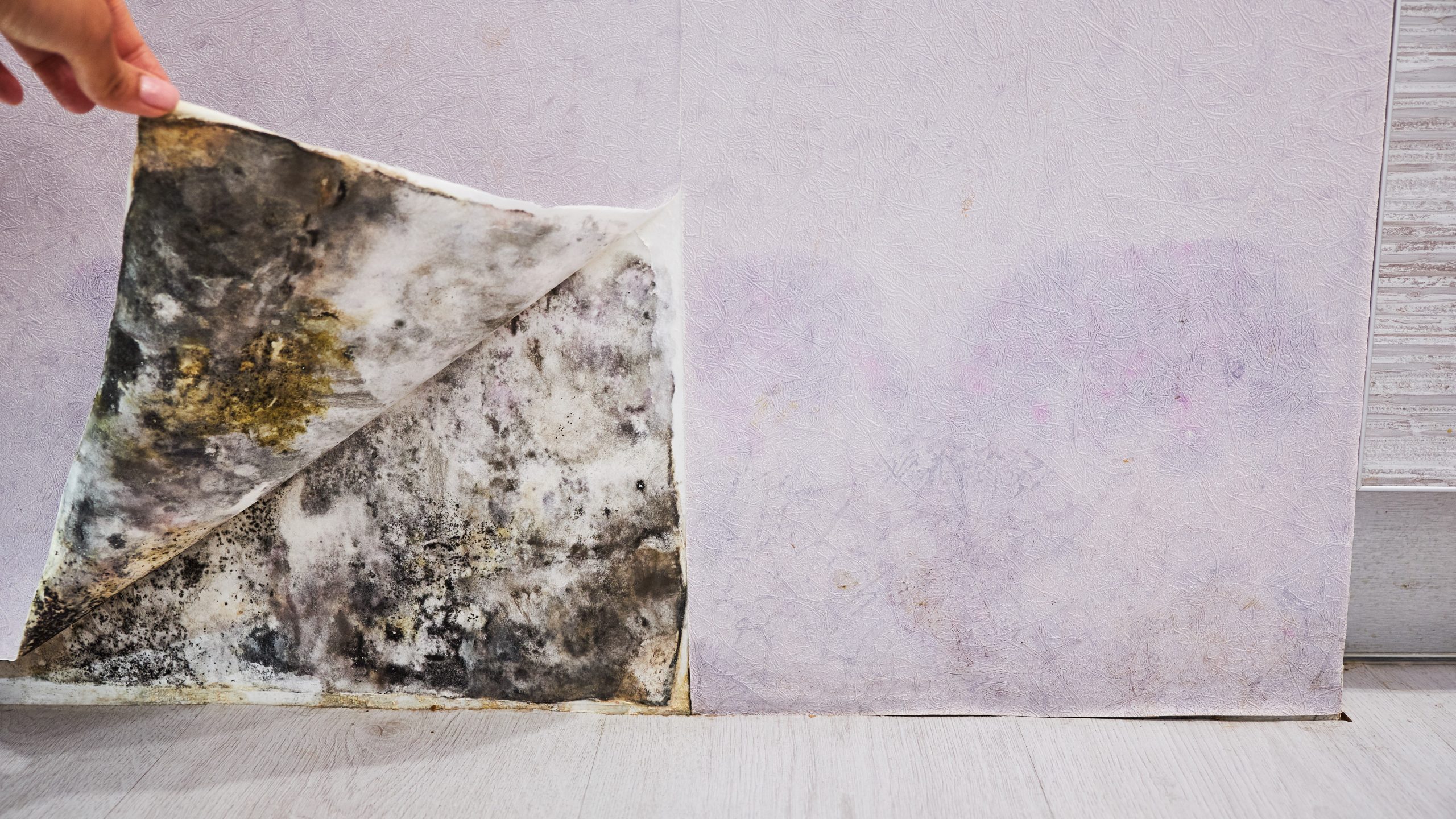
Hidden mold issues can be a serious concern for homeowners and office managers alike. Often, we may not realize that mold is growing in our environments until it has already caused significant damage or health problems. Mold spores are ubiquitous in nature, and they thrive in damp, dark places. As someone who has experienced the repercussions of mold exposure, I understand the importance of addressing this problem before it escalates.
Mold can proliferate behind walls, under carpets, and in other concealed areas, making it difficult to detect. The hidden mold issue is particularly problematic because it can lead to structural damage in buildings as well as serious health concerns for those exposed to it. Understanding the nature of mold growth is the first step in prevention. By learning about the environmental conditions that favor mold growth, we can take proactive measures to mitigate risks and take a mold remediation service.
In this article, I will guide you through the signs of hidden mold, the health risks associated with it, and the importance of regular inspections. I will also discuss how to identify areas at risk, preventative measures you can take, and the remediation process. Finally, I will share tips for those who want to tackle mold issues on their own versus when to call in the professionals.
Common Signs of Hidden Mold in Homes and Offices
Detecting hidden mold can be challenging, but there are several telltale signs to be aware of. One of the most common indicators is a musty odor that seems to linger in specific areas of your home or office. This smell often suggests mold is present, even if it isn’t visible. Therefore, it’s essential to pay attention to any unusual scents that might suggest hidden mold issues.
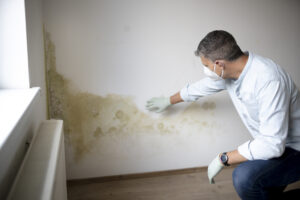
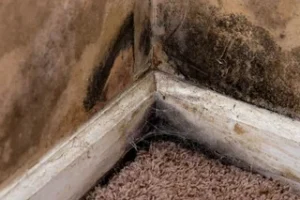
Another sign to watch for is discoloration on walls or ceilings. Water stains, peeling paint, or warped surfaces can indicate moisture problems that may encourage mold growth. If you notice these signs, it may be time to investigate further. Look for dampness or condensation around windows, pipes, or areas prone to leaks.
In addition to odors and visual cues, we should consider physical symptoms that could suggest mold exposure. Allergies, respiratory issues, and skin irritations can all be exacerbated by mold. If you or anyone in your space is experiencing heightened allergic reactions or unexplained health concerns, it could be worth investigating the possibility of hidden mold.
Health Risks Associated with Mold Exposure
The health risks associated with mold exposure can range from mild to severe, depending on various factors such as the type of mold, duration of exposure, and individual health conditions. I have learned that certain molds can produce allergens and irritants that can trigger allergic reactions in sensitive individuals. Symptoms can include sneezing, runny nose, itchy eyes, and skin rashes.
More severe reactions can occur in those with asthma or other respiratory conditions. Exposure to mold can lead to increased asthma attacks, difficulty breathing, and even chronic lung diseases. It is critical for individuals with existing health issues to be especially vigilant about mold exposure, as it can exacerbate their conditions significantly.
Moreover, some molds produce mycotoxins, which can be toxic when inhaled or ingested. These mycotoxins can lead to more severe health issues, including neurological symptoms and immune dysfunction. It is essential to recognize that prolonged exposure to mold can have far-reaching implications for our health and well-being.
The Importance of Mold Inspection
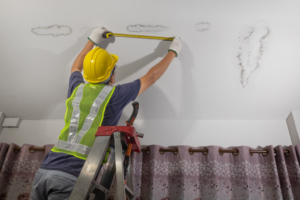
Regular mold inspections are crucial for maintaining a healthy and safe environment. As I’ve come to understand, mold can develop in hidden places, making it essential to have a thorough inspection conducted by professionals who can identify problem areas. A mold inspection involves a visual assessment, moisture readings, and sometimes air sampling to determine the presence and type of mold.
By investing in regular inspections, we can catch potential issues early, before they escalate into larger problems that require extensive remediation. I believe that proactive measures are key to preventing hidden mold issues. Moreover, mold inspections aren’t just beneficial for homes; they are equally important in office spaces, as employee health and productivity can be affected by mold exposure.
Ultimately, a comprehensive mold inspection can provide peace of mind. Knowing that your living or working space has been evaluated by experts can alleviate concerns about hidden mold risks. It allows us to focus on maintaining a healthy environment rather than worrying about potential hidden dangers lurking behind walls or under floors.
How to Identify Areas at Risk for Mold Growth
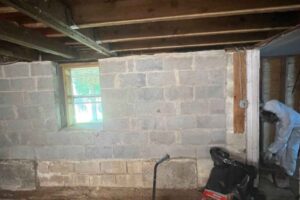
Identifying areas at risk for mold growth is essential in preventing the hidden mold issue from taking root in our homes and offices. One of the primary factors that contribute to mold growth is moisture. Therefore, I recommend regularly checking areas that are prone to dampness, such as bathrooms, kitchens, and basements. These spaces often harbor humidity and moisture that can create an ideal environment for mold.
Additionally, we should pay close attention to areas around plumbing fixtures, windows, and roofs. Leaks or condensation in these areas can lead to mold growth if left unaddressed. If you notice water stains, peeling paint, or a general lack of ventilation, it may indicate potential mold growth risks.
Furthermore, understanding the building materials used in our spaces is vital. Materials such as drywall, wood, and carpet can retain moisture, which makes them susceptible to mold growth. I find it beneficial to perform routine checks on these materials, especially in areas with high humidity or water exposure. By being proactive, we can significantly reduce the likelihood of mold issues developing in our environments.
Preventative Measures Against Mold Growth
Taking preventative measures against mold growth is essential for maintaining a healthy living and working environment. One of the most effective strategies is to control moisture levels within our spaces. Using dehumidifiers in areas prone to dampness can help keep humidity levels below 60%, which is generally considered a safe threshold to inhibit mold growth. It’s also crucial to ensure proper ventilation in areas like kitchens and bathrooms, as good airflow can significantly reduce moisture levels.
Regular maintenance is another critical aspect of mold prevention. I recommend checking for leaks in plumbing, roofs, and windows regularly. Addressing these issues promptly is key to preventing excess moisture from accumulating, which can lead to mold growth. Additionally, cleaning and maintaining gutters can help prevent water from seeping into the foundation or walls of our homes and offices.
Another effective preventative measure is to ensure that any spills or water damage are dried promptly. If you experience flooding or a leak, it’s essential to dry the affected area within 24-48 hours to prevent mold from taking hold. Using mold-resistant products, such as paints and building materials, can also provide an additional layer of protection against mold growth.
The Mold Remediation Process
When it comes to addressing hidden mold issues, understanding the mold remediation process is crucial. If mold is found in your space, the first step is to contain the affected area to prevent spores from spreading. Professionals often use plastic sheeting and negative air pressure machines to isolate the contaminated area. This containment is essential to ensure that the remediation process does not inadvertently introduce mold spores to other areas of the building.
After containment, the next step involves the removal of mold-infested materials. This may include drywall, carpets, or any other porous materials that cannot be adequately cleaned. I have learned that it is imperative to dispose of these materials properly to avoid further contamination. In some cases, specialized cleaning methods may be used to treat non-porous surfaces, such as glass or metal, to remove any remaining mold.
Finally, once the mold has been removed, it is vital to address the underlying moisture problem that allowed the mold to grow in the first place. This may involve repairs to plumbing leaks, improving ventilation, or utilizing dehumidifiers. After the remediation process is complete, a thorough inspection will ensure that the space is safe and free from mold before allowing occupancy.
Professional Services for Mold Detection and Remediation
While some may opt for a DIY approach to mold detection and remediation, I believe that professional services are often the safest and most effective choice. Professional mold inspectors have the tools and expertise necessary to identify hidden mold issues that may not be visible to the untrained eye. They can also conduct air quality tests to determine the level of mold spores present in the environment.
Engaging a professional remediation service is essential for effectively addressing mold issues. These experts are equipped with specialized equipment and knowledge to handle mold safely and efficiently. They follow industry best practices to ensure the safe removal of mold while minimizing the risk of spreading spores during the process.
Additionally, professionals can provide guidance on preventative measures to avoid future mold growth. Their expertise can help us understand our specific environment’s vulnerabilities and how to mitigate them, making it a worthwhile investment for those serious about maintaining a healthy space.
DIY Mold Testing and Removal Tips
For those who are inclined to tackle mold issues on their own, there are several DIY testing and removal methods that can be effective. I recommend starting with a thorough visual inspection of your home or office, looking for signs of moisture, discoloration, or odors that suggest mold growth. If you suspect mold is present but cannot see it, you can purchase a DIY mold testing kit to help identify the presence of mold spores.
When it comes to removal, small areas of mold can often be tackled using household cleaning solutions. A mixture of water and detergent can be effective for non-porous surfaces, while a solution of bleach and water is often used for tougher stains. However, it is crucial to wear protective gear, including gloves and a mask, to avoid inhaling mold spores during the cleaning process.
Regardless of how small the mold issue may seem, it is essential to address it promptly and thoroughly. If the affected area is larger than 10 square feet, or if you have underlying health issues, I recommend seeking professional help instead. Remember, safety should always come first when dealing with hidden mold issues.
Conclusion: Protecting Your Space from Hidden Mold
In conclusion, addressing the hidden mold issue is essential for maintaining a healthy living and working environment. By understanding the signs of mold, the health risks associated with exposure, and the importance of regular inspections, we can take proactive steps to protect ourselves and our spaces.
Implementing preventative measures, such as controlling moisture levels and conducting routine maintenance, can significantly reduce the risk of mold growth. Furthermore, knowing when to enlist professional help versus tackling the issue ourselves can save us time and resources in the long run.
For more information about Health Problems Linked to Hidden Mold, contact us:
Business Name: New Jersey Mold Specialist
Address: 92 Bayard St #203, New Brunswick, NJ 08901
Call us: (732) 973-9352
Email: info@njmoldspecialist.com
Website: https://njmoldspecialist.com/