What is mold and how does it affect health?
Mold is a type of fungus that thrives in warm, damp environments, and it plays a crucial role in the natural decomposition process of organic matter. However, when mold finds its way into our homes, it can pose serious health risks, particularly concerning respiratory issues. I have learned that mold reproduces through tiny spores that can be easily inhaled, leading to various health complications.
From my research, it is evident that mold can produce allergens, irritants, and toxic substances known as mycotoxins. These can trigger allergic reactions or exacerbate existing health conditions. For instance, when I have encountered mold in damp areas like basements or bathrooms, the impact on my respiratory system was noticeable. I found that prolonged exposure can lead to chronic respiratory conditions, making it essential to understand mold’s effects on health.
Recognizing the potential dangers of mold is the first step in protecting ourselves and our loved ones. By being proactive and informed, we can reduce the risk of mold-related health issues. In the following sections, I will share insights into common mold-related respiratory problems, symptoms of exposure, and effective prevention strategies to maintain a healthy living environment.
Common mold-related respiratory problems
Mold exposure can lead to a variety of respiratory problems, some of which I have personally witnessed in friends and family members. The most common issues include asthma, allergic rhinitis, and hypersensitivity pneumonitis. These conditions can significantly hinder one’s quality of life, and understanding them is vital for prevention.
- Asthma: For many, exposure to mold can trigger asthma attacks. This condition is characterized by inflammation and narrowing of the airways, leading to difficulty breathing. I have seen individuals with asthma report increased wheezing and coughing when mold is present in their environment.
- Allergic Rhinitis: Commonly known as hay fever, allergic rhinitis can manifest through symptoms such as sneezing, runny nose, and itchy eyes when exposed to mold spores. I remember a friend suffering from these symptoms during the rainy season, which was linked to mold growth in her home.
- Hypersensitivity Pneumonitis: This is a less common but serious condition that occurs when the immune system overreacts to inhaled organic dust, including mold spores. Symptoms can include fever, chills, and cough, and if left untreated, it can lead to permanent lung damage. I have heard stories of individuals who had to change their living conditions permanently due to this severe reaction.
Understanding these respiratory problems is crucial for anyone living in areas prone to mold growth. Recognizing the symptoms early can lead to timely intervention and better health outcomes.
Symptoms of mold exposure
Identifying the symptoms of mold exposure is essential for maintaining our health. Symptoms can vary depending on the individual and the extent of exposure. I have compiled a list of common symptoms that I have encountered in discussions with others who have experienced mold-related issues:
- Respiratory Symptoms: These include persistent coughing, wheezing, nasal congestion, and difficulty breathing. For me, these symptoms often coincide with high humidity levels in my home.
- Allergic Reactions: People may experience skin rashes, hives, or itchy eyes. I remember feeling itchy and uncomfortable after spending time in a moldy environment, which prompted me to seek solutions.
- Fatigue and Headaches: Some individuals report feeling unusually tired and experiencing frequent headaches when exposed to mold. I have noticed that prolonged exposure can lead to a general feeling of malaise.
Being aware of these symptoms can empower us to take action and address mold issues before they escalate. If you or someone you know experiences these symptoms, it may be time to investigate the presence of mold in your environment.
Identifying mold in your environment
Detecting mold in our surroundings is crucial for preventing health issues. I have learned that mold can often be hidden in places we don’t regularly check, making it essential to know where to look. Here are some common areas where mold may be lurking:
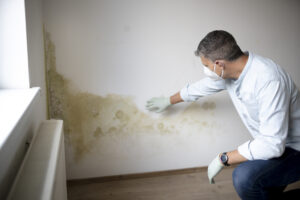
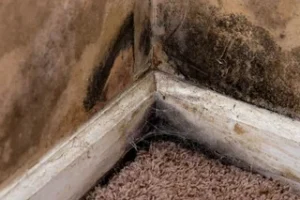
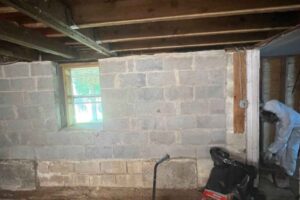
- Damp Areas: Basements, bathrooms, and kitchens are prime spots for mold growth due to their high moisture levels. I often check these areas for any discoloration or musty odors that may indicate mold presence.
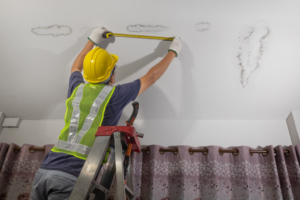
- Water Damaged Surfaces: If you notice water stains on walls or ceilings, it could be a sign of mold growth. I remember a time when a leaky roof led to mold developing in my home, highlighting the importance of addressing water damage immediately.
- HVAC Systems: Mold can thrive in heating and cooling systems. It’s important to inspect and clean these systems regularly, as I have found that neglecting them can lead to mold spores being circulated throughout the home.
Utilizing these tips can help us stay vigilant and identify potential mold growth before it becomes a larger issue. Regular inspections and awareness are key to ensuring a healthy living environment.
Health risks associated with mold exposure
The health risks associated with mold exposure can be severe and far-reaching. I have come across various studies that outline the potential dangers, emphasizing the importance of understanding these risks. Here are some health concerns linked to mold exposure:
- Respiratory Infections: Prolonged mold exposure can lead to respiratory infections, particularly in individuals with weakened immune systems. I have seen how some friends have had to deal with persistent coughs and other respiratory issues due to mold.
- Chronic Lung Conditions: Those with pre-existing conditions like asthma may find their symptoms aggravated by mold exposure. I have learned that even healthy individuals can develop chronic respiratory problems with long-term exposure.
- Neurological Issues: In some cases, exposure to toxic molds can lead to neurological symptoms, including headaches, memory loss, and mood swings. While I haven’t personally experienced this, I have read testimonies from individuals who have encountered such issues.
Understanding these risks has motivated me to take mold prevention seriously. By being proactive, we can protect our health and that of our loved ones.
Effective prevention strategies for mold growth
Preventing mold growth is critical to ensuring a healthy home. I have discovered several effective strategies that can be implemented to keep mold at bay:
- Control Humidity Levels: Keeping indoor humidity levels below 50% is essential for mold prevention. I use a dehumidifier in areas prone to moisture, particularly during humid months.
- Ventilation: Ensuring proper ventilation in bathrooms, kitchens, and laundry areas can help reduce moisture buildup. I have installed exhaust fans in these areas to facilitate airflow.
- Water Management: Promptly addressing water leaks and flooding is vital. I learned the hard way that ignoring a small leak can lead to significant mold growth over time.
- Regular Cleaning: Cleaning surfaces regularly with mold-inhibiting cleaners can help prevent mold spores from settling. I make it a point to clean shower tiles and bathroom corners frequently to avoid mold buildup.
By implementing these strategies, we can significantly reduce the likelihood of mold growth in our homes. A proactive approach is essential for maintaining a healthy environment.
Best practices for mold remediation
If mold is discovered, it’s important to address the issue quickly and effectively. I have gathered some best practices for mold remediation that can help guide the process:
- Assess the Extent of the Problem: Before beginning remediation, evaluate the size and scope of the mold issue. I have found that understanding how extensive the problem is can inform the approach needed.
- Wear Protective Gear: When dealing with mold, it’s crucial to wear protective clothing, including gloves, goggles, and a mask. I always make sure to have the right gear on hand when tackling mold removal.
- Remove Affected Materials: In cases where mold has penetrated porous materials like drywall or carpeting, it is often necessary to remove and replace them. I have had to do this in my home, and while it was a significant effort, it was necessary for long-term health.
- Clean and Disinfect: Non-porous surfaces can often be cleaned and disinfected with mold removal solutions. I have used a mixture of vinegar and water for this purpose, which is effective and natural.
- Ensure Proper Drying: After remediation, it’s essential to thoroughly dry the area to prevent mold from returning. I have learned that using fans and dehumidifiers can help expedite this process.
Following these best practices can help ensure effective mold remediation. A thorough approach is essential for mitigating health risks associated with mold exposure.
Tips for maintaining a mold-free home
Maintaining a mold-free home requires ongoing diligence and care. I have discovered several tips that can help us keep our living spaces mold-free:
- Regular Inspections: I make it a habit to inspect my home regularly for signs of mold, especially in areas prone to moisture. Early detection can save a lot of time and effort later on.
- Use Mold-Resistant Materials: When renovating or building, consider using mold-resistant materials. I have found that this can significantly reduce the chances of mold growth in the future.
- Keep Gutters Clean: Clogged gutters can lead to water damage and mold growth. I regularly check and clean my gutters to prevent this issue.
- Maintain Landscaping: Ensure that landscaping directs water away from the foundation of your home. I have seen how proper grading can prevent moisture buildup in basements and crawl spaces.
By incorporating these tips into our daily routines, we can create a healthier living environment. A little effort can go a long way in preventing mold growth.
When to seek professional help for mold issues
While many mold issues can be handled independently, there are times when it is essential to seek professional help. I have learned to recognize these situations through personal experience and research:
- Extensive Mold Growth: If the mold covers an area larger than 10 square feet, it is generally advisable to call in professionals. I have seen how quickly mold can spread and the importance of addressing larger infestations.
- Persistent Health Issues: If you or your family members experience ongoing health problems associated with mold exposure, seeking professional assessment is crucial. I have heard stories of families who benefited from expert intervention in these cases.
- Hidden Mold: If you suspect mold may be hidden behind walls or in HVAC systems, professionals have the tools and expertise to detect and address these issues effectively. I have learned that attempting to reach hidden mold can often exacerbate the problem.
Knowing when to seek help can save time, money, and health. It’s better to err on the side of caution when it comes to mold.
Conclusion: Staying healthy with effective mold management
In conclusion, understanding mold-related respiratory problems and implementing effective prevention strategies is vital for maintaining a healthy living environment. My experience has shown me the importance of vigilance and proactive measures in avoiding mold growth. By recognizing the signs of mold, addressing water issues promptly, and employing effective cleaning techniques, we can significantly reduce the risk of mold-related health problems.
For more information about Respiratory Problems Caused by Mold Contact us:
Company: Green Guard Mold Remediation Plainfield
Address: 321 E 3rd St, Plainfield, NJ 07060
Call us: +1 888-793-7963
Email: info@greenguardmoldplainfield.com
Website: https://greenguardmoldplainfield.com/