If you’ve ever spotted that dark, fuzzy patch creeping along a bathroom corner or noticed a musty smell lingering in your basement, you already know the quiet dread that comes with it. Mold isn’t just an eyesore — it can affect your health, damage your home’s structure, and turn into a far bigger problem if left unchecked. The good news? With the right approach, mold is manageable. The key is knowing what actually works, what’s safe to use, and when to call in a professional.
Understanding the Enemy: What Mold Really Is
Mold is a type of fungus that thrives in warm, damp, and poorly ventilated spaces. It reproduces through microscopic spores that float through the air — indoors and out — all the time. The problem only starts when those spores land somewhere with enough moisture to grow.
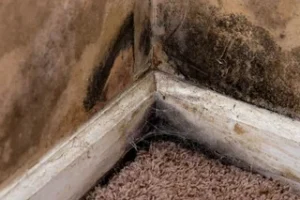
Common household molds include Cladosporium, Penicillium, and the more notorious Stachybotrys chartarum (often called “black mold”). While not every mold is equally dangerous, prolonged exposure to any variety can trigger respiratory issues, skin irritation, and allergic reactions — especially in children, the elderly, or anyone with asthma.
The first step to any effective mold solution isn’t a spray bottle — it’s understanding why the mold is there in the first place.
Step One: Find and Fix the Source
Here’s something most mold guides skip over: cleaning visible mold without fixing the underlying moisture problem is basically pointless. The mold will come back, often within days.
Before reaching for a cleaning product, ask yourself:
- Is there a leak in the roof, pipes, or windows?
- Is the bathroom or kitchen poorly ventilated?
- Is there condensation forming regularly on walls or windows?
- Is there standing water anywhere near a crawl space or basement?
Fix the source first. Always. Everything else is just cosmetic until you do.
Safe and Effective DIY Solutions
For small patches of mold — typically anything covering less than 10 square feet — a DIY approach is usually appropriate. Here are the options that are both safe and genuinely effective:
White Vinegar
This is one of the most underrated mold remedies out there. Undiluted white vinegar (5% acidity or higher) kills roughly 82% of mold species, according to research, and it’s non-toxic, inexpensive, and easy to find. Spray it directly onto the affected surface, let it sit for at least an hour, and then scrub and wipe clean.
It works well on tiles, grout, and non-porous surfaces. The smell dissipates quickly once it dries.
Hydrogen Peroxide
A 3% hydrogen peroxide solution — the kind you find in any drugstore — is antifungal, antibacterial, and safe to use on most surfaces. Apply it to the moldy area, let it sit for 10–15 minutes, scrub, and wipe away. It’s particularly useful on bathroom walls, flooring, and kitchen surfaces.
One thing to keep in mind: hydrogen peroxide can bleach fabrics and colored surfaces, so test a small area first.
Baking Soda
While baking soda alone won’t kill mold on contact the way vinegar or hydrogen peroxide does, it’s excellent as a follow-up scrub and as a preventative. It absorbs moisture, neutralizes odors, and won’t harm your family or pets. Mix a quarter tablespoon with water to form a paste, scrub the surface, and rinse.
What About Bleach?
Bleach is commonly recommended, and yes — it does kill surface mold on non-porous materials like tiles and glass. But it has real limitations. Bleach doesn’t penetrate porous surfaces like drywall or wood, meaning it kills the visible mold but leaves the roots behind. It also produces strong fumes and can damage surfaces over time. Use it only when appropriate, with good ventilation, and never mix it with ammonia or vinegar.
The Right Way to Clean Mold
Regardless of which solution you use, the approach matters as much as the product.
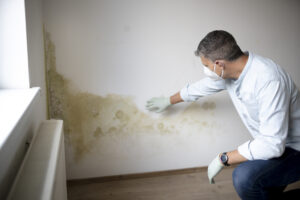
- Protect yourself. Wear rubber gloves, an N95 mask (not a cloth mask — mold spores are tiny), and eye protection. Old clothes you don’t mind tossing are a good idea too.
- Contain the area. For anything beyond a small patch, seal off the space with plastic sheeting to prevent spores from spreading to other rooms.
- Don’t dry-scrub. Scrubbing mold without moisture sends spores into the air. Always dampen the area before scrubbing.
- Dispose carefully. Bag all cleaning materials and moldy debris in heavy-duty plastic bags before throwing them away.
- Ventilate after. Open windows, run fans, and dry the area completely. Moisture left behind just invites mold back.
When DIY Isn’t Enough
There’s a point where rolling up your sleeves and attacking mold yourself becomes genuinely risky. You should call a professional if:
- The affected area is larger than 10 square feet
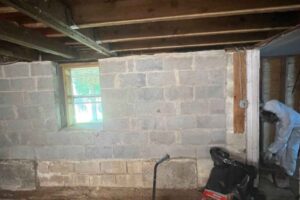
- Mold has gotten into HVAC systems, insulation, or structural wood
- You suspect black mold (Stachybotrys) — it requires specialized containment and removal
- Anyone in your home is experiencing unexplained respiratory symptoms or persistent allergies
- The mold keeps coming back despite your efforts
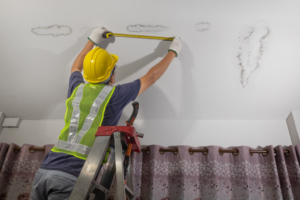
A reputable mold remediation company will assess the full extent of the problem, identify hidden mold, safely remove contaminated materials, and address the moisture source. Look for companies certified by the Institute of Inspection, Cleaning and Restoration Certification (IICRC) — that’s a reliable marker of professional standards.
Preventing Mold Before It Starts
The most effective mold solution is one you never have to use. A few simple habits can dramatically reduce the chances of mold taking hold in your home:
- Keep humidity below 50%. A cheap hygrometer can help you monitor this. Run a dehumidifier in basements and other prone areas during humid months.
- Ventilate bathrooms and kitchens. Run exhaust fans during and after showers and cooking. If you don’t have a fan, consider installing one — it’s a small investment with a big payoff.
- Fix leaks promptly. A dripping pipe or a slow roof leak might seem minor, but give it a few weeks and you’ll likely have company.
- Dry wet surfaces quickly. After flooding or even a major spill, dry the area within 24–48 hours to prevent mold from establishing.
- Check dark, forgotten spaces. Crawl spaces, under-sink cabinets, and the backs of closets are classic mold hideouts. A quick monthly check takes two minutes and can save you a major headache.
A Note on Mold Testing Kits
You’ll find DIY mold testing kits at hardware stores and online. They can tell you whether mold is present, but they’re not particularly reliable at telling you what kind or how much. If you’re dealing with a serious situation, a professional air quality test — done by a certified industrial hygienist — will give you far more useful and accurate information.
The Bottom Line
Mold is common, but it’s not something to take lightly or ignore. The good news is that with prompt attention, the right products, and a focus on eliminating moisture at the source, most mold problems are entirely solvable. Whether you’re tackling a small bathroom patch on a Saturday morning or bringing in professionals for a more serious situation, the principles are the same: act early, work safely, address the root cause, and stay consistent with prevention.
For more information about Reliable Mold Solutions contact Us:
Business Name: Green Guard Mold Remediation Of Union
Address: 1620 US-22, Union, NJ 07083, United States
Phone: +1 908-263-1697
Email: info@greenguardmoldremediationunion.com
Website: https://greenguardmoldremediationunion.com/