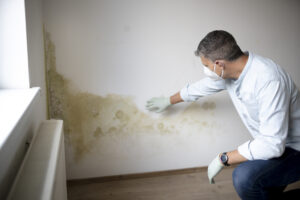
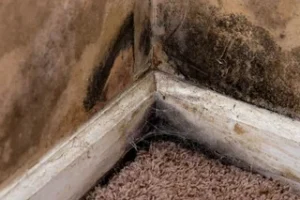
Let’s be honest most of us don’t think about mold until we can already see it. By that point, you’re dealing with a cleanup problem instead of a prevention one, and those two situations are very different in terms of time, cost, and stress.
The good news is that mold isn’t some unavoidable force of nature. It needs specific conditions to grow, and when you understand those conditions, you can actually do something about them before a single spore takes hold. Creating a mold-resistant home isn’t about obsessive cleaning or expensive renovations. It’s about making some smart, consistent habits and fixing the things that make your home an easy target by taking advice of professional mold services .
Here’s how to approach it.
Understand What Mold Actually Needs
Before you can fight something, you have to understand it. Mold is remarkably simple in its requirements — it needs moisture, a surface to grow on, and warmth. That’s it. Take away any one of those elements and mold can’t survive.
Of the three, moisture is the only one you have real control over in a home. You’re not going to make your walls out of something other than drywall, and you’re not going to keep your house cold enough to matter. But moisture? That’s manageable. Nearly every mold prevention strategy comes back to controlling moisture in one form or another.
Keep that in mind as you work through the rest of this — the goal isn’t perfection, it’s reducing the opportunities for moisture to linger long enough for mold to get comfortable.
Get Serious About Ventilation
Poor ventilation is probably the single most common reason homes develop mold problems. When air can’t move, moisture just sits — on walls, on ceilings, on surfaces you’d never think to wipe down. Stagnant, humid air is basically a welcome mat for mold.
The rooms to focus on first are the ones that generate the most moisture: bathrooms, kitchens, and laundry areas.
In the bathroom, your exhaust fan isn’t optional — it’s essential. Run it during every shower or bath and keep it running for at least 15 to 20 minutes after you’re done. If your fan sounds like a helicopter or barely moves air, it’s probably overdue for a replacement. A quiet, properly functioning exhaust fan is one of the cheapest mold prevention investments you can make.
In the kitchen, use the range hood whenever you’re cooking, especially when boiling water or making soups and stews. Steam from cooking adds more moisture to your kitchen air than most people realize.
For the rest of the house, opening windows when the outdoor humidity is lower than indoors helps flush out damp air. Even 10 to 15 minutes a couple of times a day makes a difference in how your home breathes.
Control Your Indoor Humidity
This is closely related to ventilation, but it deserves its own conversation because humidity is something you can actually measure and manage.
Mold grows readily when indoor humidity climbs above 60 percent. The sweet spot for a healthy, mold-resistant home is somewhere between 30 and 50 percent. A simple hygrometer — a small device you can pick up for under $15 — will tell you exactly where your home stands at any given moment.
If your readings are consistently high, a dehumidifier can make a dramatic difference, especially in basements, crawlspaces, and bedrooms. Modern dehumidifiers are quiet and efficient, and many have built-in humidistats that let you set a target level and forget about it.
On the flip side, don’t neglect the small habits that quietly drive humidity up: drying clothes indoors, cooking without ventilation, keeping houseplants grouped tightly together, and even taking long hot showers without running the fan. None of these things alone is a disaster, but add them all up in a poorly ventilated home and you’ve created exactly the conditions mold is waiting for.
Deal With Water Issues Immediately — No Exceptions
This is the rule that people break most often, usually because a leak or spill seems minor at the time. A small drip under the sink, a little water that got under the bathroom mat, some dampness around the base of a window after a rainstorm. It feels manageable to deal with later.
But mold doesn’t wait for convenient timing. It can begin colonizing a damp surface within 24 to 48 hours. What felt like a minor issue on Tuesday can be an established mold problem by Thursday, hidden inside the wall or under the floor where you can’t see it.
Make it a rule: any water where it shouldn’t be gets addressed the same day. Dry up spills thoroughly, fix dripping pipes as soon as you notice them, and investigate any staining or soft spots on walls and ceilings rather than hoping they’ll resolve on their own.
If you’ve had any kind of significant water event — a pipe burst, a washing machine overflow, flooding from rain — don’t assume drying the visible surfaces is enough. Moisture travels into wall cavities, under flooring, and into insulation. If you’re not using fans, dehumidifiers, and potentially pulling up affected materials, there’s a good chance moisture is still hiding where you can’t see it.
Rethink How You’re Using Your Bathroom and Kitchen
These two rooms account for a disproportionate share of household mold problems, and it’s worth taking a close look at some habits that might be quietly contributing.
In the bathroom, squeegee or wipe down shower walls after use. It takes about 30 seconds and removes the standing water that keeps that surface damp long after you’ve left. Wash your bath mat regularly and hang it to dry rather than leaving it flat on the floor. Keep shower curtains spread open after use so they dry out fully. If you have a window in the bathroom, crack it open after showering when the weather allows.
In the kitchen, fix that slow drip under the sink that you’ve been ignoring. Check the seal around your dishwasher and look beneath it occasionally — small leaks can go unnoticed for months and create significant mold growth in the cabinet base. Make sure your refrigerator’s drip pan is clean and that the seal around the door is tight enough to prevent condensation inside the unit.
Small adjustments in these two rooms can dramatically change the moisture profile of your entire home.
Pay Attention to Your Home’s Exterior
Mold prevention isn’t just an inside job. A lot of moisture problems in homes start outside and work their way in.
Gutters that are clogged or improperly pitched allow water to pool near your foundation instead of draining away. Over time, that moisture seeps into the basement or crawlspace — and from there, it becomes your problem. Clean your gutters at least twice a year and make sure downspouts are directing water well away from the house, not just out the bottom and into the ground next to the foundation wall.
The grading around your home matters too. The ground should slope away from the foundation on all sides so rainwater doesn’t collect and sit against the house. If you notice that puddles form near your foundation walls after rain, that’s something worth fixing before it becomes a basement or crawlspace mold issue.
Check window and door seals periodically, especially after harsh weather. Gaps in caulking around windows are a surprisingly common entry point for water, and because the water intrudes slowly and in small amounts, it can go unnoticed while creating ideal conditions for mold inside the wall.
Keep Your HVAC System Clean and Functional
Your heating and cooling system moves air throughout your entire home — which means if mold gets into it, the system distributes spores to every room continuously. It’s not a pleasant thing to think about, but it’s exactly what happens in homes with neglected HVAC maintenance.
Change your air filter on a regular schedule. A clogged filter doesn’t just reduce air quality — it reduces airflow, which increases humidity levels and creates conditions that favor mold growth in the system itself.
Have your ducts inspected every few years, especially if you’ve had any moisture issues or if the system is older. Ductwork that passes through humid crawlspaces or attics is particularly susceptible. Make sure any condensate drain lines on your air conditioning unit are clear — these small lines remove condensation from the cooling process, and when they clog, water backs up and can overflow into walls, ceilings, or equipment.
If your system has a built-in humidistat, use it. Keeping the whole-home humidity within that 30 to 50 percent range through your HVAC system is one of the most effective mold prevention tools available.
Insulate and Seal the Right Way
Condensation forms when warm, humid air meets a cold surface. In practical terms, this means cold water pipes, exterior walls in winter, and poorly insulated window frames are all potential condensation spots — and condensation means repeated moisture exposure, which invites mold.
Insulating cold water pipes prevents that familiar “sweating” that happens on warm, humid days. It’s an inexpensive fix that also saves a little energy. Adding weatherstripping to windows and doors and sealing gaps around pipes and wiring that penetrate exterior walls reduces the cold surface area that humid indoor air can condense against.
In attics and crawlspaces, proper insulation and vapor barriers are particularly important. These spaces are naturally prone to temperature swings and moisture intrusion, and without proper treatment they become silent mold factories that eventually affect the rest of the house.
Make Regular Inspections Part of Your Routine
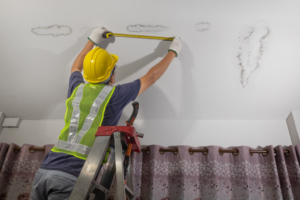
You don’t need to be paranoid, but you do need to be observant. Building a few minutes of regular inspection into your home maintenance routine can catch problems early — before they become serious.
Once a month or so, take a slow walk through the house and check under sinks, around toilets, behind the washing machine, around the water heater, and in the corners of window frames. Run your hand along baseboards in bathrooms and look at the caulking around tubs and showers. Give your nose a moment in each room — if something smells musty, pay attention to that.
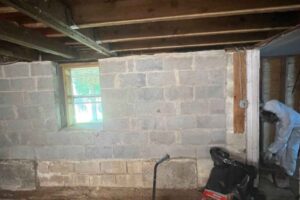
Check your basement or crawlspace seasonally. Look for signs of moisture on the walls, standing water, or that familiar damp smell. Look up at the joists in your crawlspace — dark staining or fuzzy growth on wood is a sign that something needs attention.
The goal of these inspections isn’t to diagnose mold — it’s to catch the moisture conditions that lead to mold before anything actually grows.
The Mindset Shift That Makes the Difference
The homes that stay mold-free over the long term aren’t the ones that get aggressively cleaned once or twice a year. They’re the homes where the owners think about moisture the way they think about security as something worth managing consistently rather than reactively.
That mindset shift is actually pretty simple once it clicks. Wipe down that window sill when you notice condensation. Fix the drip before it becomes a leak. Run the bathroom fan without being reminded. It’s not a long list of chores it’s a handful of small habits that, taken together, make your home a genuinely healthier place to live.
For More Information about Mold Prevention Contact us :
Business Name: Green Guard Mold Remediation of Edison
Address: 6 Kilmer Rd, Edison, NJ 08817, United States
Phone: 908-762-8046
Email: info@greenguardmoldremediationedison.com
Website: https://greenguardmoldremediationedison.com/