Water damage can lead to a host of problems in your home, with mold growth being one of the most concerning. Mold thrives in damp environments, and if water damage is not addressed promptly, it can spread rapidly, posing health risks and compromising the structural integrity of your property. This article will guide you through the essential steps for Mold removal after water damage, helping you understand the risks, signs, and effective remediation strategies.

Understanding Mold Growth
Mold is a type of fungus that can grow in various environments, particularly where moisture is present. When water damage occurs—whether from a burst pipe, flooding, or leaks—mold spores can settle and begin to proliferate within 24 to 48 hours. Understanding the conditions that foster mold growth is crucial for effective prevention and remediation.
The Ideal Conditions for Mold
Mold requires three primary elements to thrive:
- Moisture: This is the most critical factor. Any source of water, whether from leaks, humidity, or flooding, can create an environment conducive to mold growth.
- Temperature: Mold typically grows best in warm conditions, usually between 60°F and 80°F (15°C to 27°C).
- Organic Material: Mold feeds on organic materials such as wood, drywall, and even dust. This makes homes particularly vulnerable, as these materials are commonly found in construction.
Health Risks Associated with Mold
Exposure to mold can lead to various health issues, particularly for individuals with respiratory conditions, allergies, or weakened immune systems. Common symptoms include:
- Coughing and sneezing
- Nasal congestion
- Skin irritation
- Eye irritation
- Fatigue
In severe cases, prolonged exposure can lead to more serious health complications, making it imperative to address mold issues promptly.
Identifying Signs of Mold
Recognizing the signs of mold growth early can save you from extensive damage and health risks. Here are some common indicators to watch for:
Visual Signs
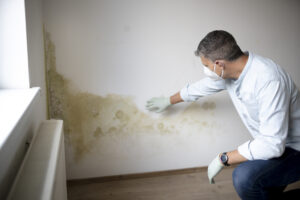
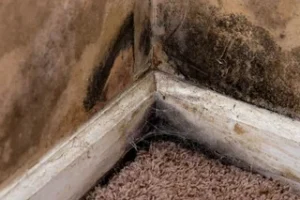
- Discoloration: Look for green, black, or white patches on walls, ceilings, or floors.
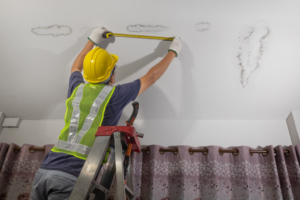
- Peeling Paint: Bubbling or peeling paint can indicate moisture behind the surface.
- Warped Surfaces: Check for warped drywall or wood, which can signal hidden moisture.
Sensory Signs
- Musty Odor: A persistent earthy smell often indicates mold presence.
- Increased Allergies: If you notice heightened allergy symptoms indoors, it may be due to mold spores in the air.
Moisture Indicators
- Water Stains: Look for dark spots or stains on ceilings and walls.
- Condensation: Excess moisture on windows or walls can be a sign of high humidity levels conducive to mold growth.
Steps to Remove Mold After Water Damage
If you discover mold in your home, it’s essential to act quickly. Here’s a step-by-step guide to effectively remove mold after water damage.
Step 1: Address the Source of Moisture
Before you can effectively remove mold, you must eliminate the source of moisture. This may involve:
- Repairing leaks in plumbing or roofing.
- Using dehumidifiers to reduce humidity levels.
- Ensuring proper ventilation in areas prone to moisture, such as bathrooms and kitchens.
Step 2: Contain the Area
To prevent mold spores from spreading during the removal process, seal off the affected area. Use plastic sheeting to cover doorways and vents, and ensure that windows are closed.
Step 3: Wear Protective Gear
Safety should be your top priority. Equip yourself with:
- N95 respirator mask
- Gloves
- Goggles
This protective gear will help minimize your exposure to mold spores.
Step 4: Clean the Mold
For small areas (less than 10 square feet), you can attempt to clean the mold yourself. Here’s how:
- Scrub the Area: Use a scrub brush and a mixture of detergent and water to scrub the affected surfaces.
- Disinfect: After cleaning, apply a diluted bleach solution (1 cup of bleach to 1 gallon of water) or a commercial mold remover to disinfect the area.
- Dry Thoroughly: Use fans and dehumidifiers to ensure the area dries completely, as moisture can lead to mold returning.
Step 5: Dispose of Contaminated Materials
If porous materials like carpets, drywall, or insulation are heavily infested with mold, it’s best to dispose of them. Seal these items in plastic bags before discarding them to prevent spores from spreading.
When to Call Professionals
While DIY methods can be effective for minor mold issues, certain situations warrant professional intervention. Consider hiring a mold remediation expert if:
- The affected area exceeds 10 square feet.
- Mold is present in HVAC systems or air ducts.
- You experience recurring mold problems despite cleaning efforts.
- You or your family members have health issues related to mold exposure.
Benefits of Professional Mold Remediation
Professional mold remediation services offer several advantages:
- Expertise: Trained professionals can identify hidden mold and assess the extent of the damage.
- Specialized Equipment: They use advanced tools and techniques to safely remove mold and prevent regrowth.
- Health Protection: Professionals follow safety protocols to minimize health risks during the remediation process.
Preventing Future Mold Growth
Once you’ve dealt with mold, it’s crucial to implement preventive measures to avoid future infestations. Here are some effective strategies:
Control Moisture Levels
- Dry Water-Damaged Areas: Ensure that any areas affected by water damage are dried within 24 to 48 hours.
- Use Dehumidifiers: In humid climates, dehumidifiers can help maintain optimal moisture levels in your home.
Improve Ventilation
- Open Windows: Increase airflow by opening windows and using exhaust fans in kitchens and bathrooms.
- Install Ventilation Systems: Consider installing ventilation systems in areas prone to moisture buildup.
Regular Maintenance
- Inspect for Leaks: Regularly check plumbing and roofing for leaks and address them promptly.
- Clean Gutters: Ensure that gutters and downspouts are clear to prevent water pooling near your foundation.
FAQs About Mold Removal After Water Damage
What should I do first if I find mold?
Start by identifying and fixing the source of moisture. Then, contain the area and assess whether you can handle the cleanup yourself or if you need professional help.
Is it safe to remove mold on my own?
If the affected area is small and on non-porous surfaces, it can be safe to remove mold yourself, provided you wear protective gear. For larger infestations, it’s best to consult professionals.
How long does mold removal take?
The duration of mold removal depends on the extent of the infestation. Small areas may take a day or two, while larger infestations could require several days of professional remediation.
Can mold make me sick?
Yes, mold exposure can lead to respiratory issues, allergic reactions, and other health problems, particularly for vulnerable individuals.
How can I prevent mold from returning?
To prevent mold from returning, ensure that moisture levels are controlled, areas are dried thoroughly, and proper ventilation is maintained throughout your home.
Conclusion
Mold removal after water damage is a critical process that requires prompt action and careful attention to detail. By understanding the conditions that promote mold growth, recognizing the signs of infestation, and following effective remediation steps, you can protect your home and health. Whether you choose to tackle the issue yourself or enlist the help of professionals, taking proactive measures will help ensure a safe and mold-free environment for you and your family.
For More information about Mold Removal After Water Damage, Contacts us:
Business Name: Green Guard Mold Specialist Elizabeth
Address: 919 S Elmora Ave, Elizabeth, NJ 07202
Phone: 888-861-7846
Email: info@greenguardmoldelizabeth.com
Website: https://greenguardmoldelizabeth.com/