Most people don’t think much about mold until they catch a whiff of something musty in the basement or spot a dark patch creeping along the bathroom ceiling. By then, it’s usually been growing for a while. Mold doesn’t announce itself loudly — it builds up quietly in damp corners, behind walls, under flooring, until one day you notice it’s everywhere or your allergies won’t quit. Knowing what to look for early can save you a lot of money, and a lot of headaches, down the road.
Here’s how to tell when a little cleaning won’t cut it and you actually need a professional.
That Musty Smell That Won’t Go Away
If a room smells damp or earthy no matter how much you clean or air it out, mold is probably growing somewhere you can’t see. This smell comes from microbial volatile organic compounds, which mold releases as it grows. The tricky part is that the source could be inside a wall cavity, under carpet padding, or in your HVAC ductwork — places a quick wipe-down won’t reach. If the smell persists after a few days of ventilation, it’s worth getting a professional opinion.
Visible Spots That Keep Coming Back
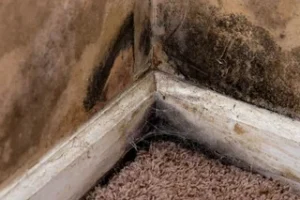
A little mold on bathroom tile grout is common and usually harmless to scrub away. But if you’re seeing the same dark spots return again and again, especially after you’ve already cleaned them, that’s a sign the moisture source hasn’t been addressed. Surface cleaning only kills what’s visible; the colony underneath or behind the surface stays put and just regrows. Spots larger than about 10 square feet (roughly a 3-by-3-foot patch) are generally past the point of DIY cleanup, according to EPA guidelines.
Water Damage History
Any home that’s had a leaky roof, burst pipe, flooded basement, or even a slow, unnoticed drip under a sink has had the conditions mold needs to thrive. Mold can start growing within 24 to 48 hours of water exposure. If your home had water damage that wasn’t dried out completely and quickly, there’s a good chance mold took hold somewhere in the affected area, even if you can’t see it now.
Peeling Paint, Warped Wood, or Bubbling Drywall
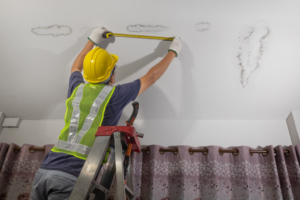
Mold doesn’t just sit on surfaces, it breaks them down. If you notice paint peeling or bubbling for no obvious reason, wood that’s warped or soft to the touch, or drywall that looks swollen or stained, moisture is likely trapped behind it, and mold is probably part of the picture. These physical changes in building materials are often the first visible clue of a hidden problem.
Unexplained Allergy or Respiratory Symptoms
If you or your family members are dealing with persistent coughing, sneezing, headaches, sinus congestion, or skin irritation that seems to ease up when you leave the house and returns once you’re back, mold exposure could be a contributing factor. This is especially worth paying attention to if symptoms worsen in specific rooms, like a basement office or a bedroom near a bathroom. People with asthma or mold allergies tend to notice this pattern first, since their bodies react faster to airborne spores.
Condensation and High Humidity Indoors
Foggy windows, damp spots on walls, or a general feeling of stickiness in the air are signs that humidity indoors is running too high. Mold thrives in environments above roughly 60% relative humidity. If you notice consistent condensation on windows, pipes, or in your attic, that moisture has to be going somewhere, and it’s often into materials where mold can take hold.
Mold After a Renovation or in an Older Home
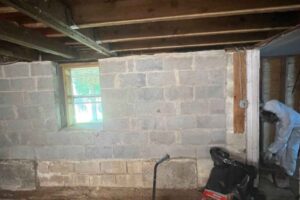
Older homes, especially those with original plumbing, older insulation, or a history of basement moisture, are more prone to hidden mold. Similarly, if you’ve recently renovated and disturbed old walls, flooring, or insulation, you may have exposed mold that had been growing undetected for years. Any time hidden cavities get opened up, it’s worth a quick visual check before closing things back up.
When to Call a Professional
A small, isolated spot of surface mold on a non-porous surface is usually fine to handle yourself with soap, water, and good ventilation. But once you’re dealing with a recurring smell, a large or spreading patch, water damage history, or symptoms that point to air quality issues, it’s time to bring in someone who can do a proper inspection. Professionals can test for mold hidden in walls and ductwork, identify the species involved (some are more toxic than others), and most importantly, fix the moisture source so the problem doesn’t just come back in six months.
Mold remediation isn’t just about removing what you can see. It’s about understanding why it grew there in the first place and making sure your home doesn’t give it another chance.
For more information about air quality testing services in New Jersey, contact us:
Business Name: New Jersey Mold Specialist
Address: 92 Bayard St #203, New Brunswick, NJ 08901
Call us: (732) 973-9352
Email: info@njmoldspecialist.com
Website: https://njmoldspecialist.com/