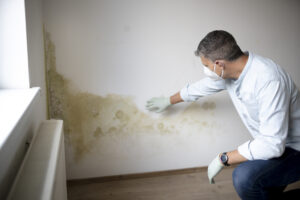
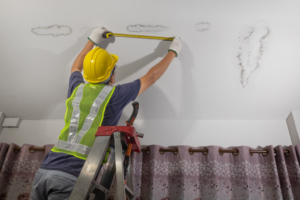
Most of us spend somewhere around 90 percent of our time indoors — at home, at work, in cars, in malls. Yet for all the attention we pay to eating well or exercising, we rarely stop to think about the air we breathe, the light that hits our eyes, or the invisible chemicals floating off our furniture. The truth is, the quality of your indoor environment has a quiet but profound effect on how you feel, how well you sleep, and how clearly you think. This can only be measured by mold testing which will give a report of mold presense in that particlar area.
The good news is that building a healthier home doesn’t require a renovation or a large budget. It just requires knowing where to look.
Start With the Air
Air quality is probably the single most important factor in a healthy indoor environment — and also the most overlooked. Indoor air can actually be two to five times more polluted than outdoor air, according to the EPA, largely because modern buildings are well-sealed and pollutants have nowhere to escape.
What’s lurking in your air?
Dust mites, pet dander, mold spores, volatile organic compounds (VOCs) from paints and cleaning products, formaldehyde from furniture, carbon monoxide from gas appliances — the list is longer than most people realize. Many of these are invisible and odorless, which makes them easy to ignore until they start affecting your health in subtle ways: headaches, fatigue, allergies that seem to come and go for no reason.
What you can do:
The first and most effective step is simply to open your windows regularly. Even ten minutes in the morning can flush out stale air and bring in fresh. Yes, it sounds almost too simple, but ventilation is genuinely the foundation of good indoor air quality.
Beyond that, look at your sources of pollution. If you paint, varnish, or clean with chemical-heavy products, switch to low-VOC or natural alternatives where possible. Store chemicals outside or in well-ventilated areas. If you have a gas stove, make sure your kitchen is properly vented — gas cooking can release nitrogen dioxide at levels that affect respiratory health.
An air purifier with a true HEPA filter can make a real difference, particularly in bedrooms. Run it consistently rather than just when you remember; air quality is a constant, not an occasional concern. If you’re worried about carbon monoxide, get a detector — it’s one of those small investments you hope you never actually need.
Tackle Humidity and Mold
Humidity sits in a tight sweet spot for health: too low and your skin dries out, your throat gets irritated, and viruses spread more easily. Too high and you’re creating conditions that mold absolutely loves. The target range is between 40 and 60 percent relative humidity.
Bathrooms and kitchens are the obvious suspects when it comes to moisture buildup, but mold can grow behind walls, under carpets, and in HVAC systems where you’d never think to look. A musty smell in a room that “shouldn’t” have moisture is usually a sign something needs investigating.
Run exhaust fans during and after showers. Fix leaks promptly — even a slow drip under a sink creates a consistently damp environment over weeks and months. In naturally humid climates, a dehumidifier in the basement or crawl space can prevent a lot of problems before they start.
If you find mold, deal with it properly. Small patches on hard surfaces can be cleaned with diluted bleach or a commercial mold remover and a good scrub. Anything larger than roughly ten square feet, or any growth that keeps coming back, usually points to a moisture problem that needs fixing at the source — not just surface treatment.
Rethink Your Cleaning Products
There’s a certain irony in the fact that cleaning your home can make the air worse. Many conventional cleaning sprays, air fresheners, fabric softeners, and disinfectants release a cocktail of synthetic chemicals that linger in the air long after you’ve finished cleaning.
Artificial fragrances are a particularly common culprit. Products labeled “fragrance” can contain dozens of undisclosed chemical compounds, some of which are known irritants or hormone disruptors. This doesn’t mean you need to live in a scentless house — it just means it’s worth being selective about what you’re spraying and diffusing.
Switching to simpler alternatives often works better than people expect. White vinegar, baking soda, and castile soap handle the vast majority of household cleaning tasks. They’re cheap, genuinely effective, and don’t leave chemical residue on your surfaces or in your air. If you prefer commercial products, look for ones with transparent ingredient lists and third-party certifications like EPA Safer Choice.
Light: The Factor Most People Get Completely Wrong
The way we light our homes has changed dramatically in the past century, and our biology hasn’t caught up. For most of human history, our exposure to bright light tracked closely with the sun — intense during the day, dim in the evenings, dark at night. Now we sit under fluorescent lights at 2 PM and stare at bright screens at 11 PM, and our bodies are genuinely confused.
Light is the primary signal your brain uses to regulate your circadian rhythm — the internal clock that governs sleep, mood, hormone release, metabolism, and dozens of other processes. Getting this rhythm disrupted doesn’t just make you feel tired. Over time, it’s been linked to immune dysfunction, mood disorders, and metabolic problems.
During the day: Get as much bright light as possible, especially in the morning. Sit near windows. If you work in a dim office, consider a light therapy lamp, especially in winter. Natural daylight — even on an overcast day — is far brighter than indoor lighting and does a much better job of keeping your circadian system properly calibrated.
In the evening: Start dimming lights a couple of hours before bed. Warm-toned bulbs (around 2700K) are gentler on melatonin production than the cool blue-white light that most office and kitchen fixtures use. Blue light filtering on screens helps too, though the evidence suggests that reducing overall brightness and screen time matters more than the color filtering itself.
Night: Your bedroom should be as dark as possible for sleep. Blackout curtains make a bigger difference than most people expect. Even small amounts of light during sleep — from a streetlight, a phone charging across the room, a standby LED — can affect sleep quality in ways that are measurable in the morning.
Reduce Noise Pollution
Noise is one of the few environmental stressors we tend to accept as simply part of modern life. But chronic noise exposure — particularly the low-level, unpredictable kind from traffic, neighbors, or HVAC systems — keeps your nervous system in a mild but constant state of alert. Over time this contributes to elevated stress hormones, sleep disruption, and cardiovascular strain.
This doesn’t mean you need to soundproof your entire home. But it’s worth thinking about your most critical environments. For sleeping, even simple fixes like door draft stoppers, heavy curtains, and white noise can meaningfully reduce the amount of disruptive sound that reaches you at night. For working, reducing background noise improves focus and reduces cognitive fatigue over the course of a day.
If street noise is a persistent issue, secondary glazing on windows (an inner window pane fitted to the existing frame) is one of the more effective solutions — less disruptive and expensive than full window replacement.
Plants: Helpful, But Keep Expectations Realistic
Indoor plants have been somewhat mythologized as air-purifying powerhouses ever since a 1989 NASA study suggested they could remove toxins from enclosed spaces. The reality is more nuanced: while plants do absorb some VOCs and produce oxygen, the effect in a typical lived-in home is quite modest — you’d need an impractical number of plants to meaningfully move the needle on air quality through plants alone.
That said, there are good reasons to have them anyway. They add humidity to dry indoor air. They improve mood and reduce stress in ways that have been documented across multiple studies. They give you something living to look after, which turns out to matter to most people more than they’d predict. Just be mindful of overwatering, which can lead to mold growth in the soil — a real downside that tends to go unmentioned in the enthusiastic plant discourse.
Temperature, Thermal Comfort, and Why It Matters More Than You Think
Most of us set a thermostat and don’t think much more about it. But thermal comfort — the sense of being neither too hot nor too cold — affects concentration, mood, and sleep in ways that are well-established in the research literature.
For cognitive work, most people perform best between about 70 and 77 degrees Fahrenheit (21 to 25 Celsius). Above that range, attention and decision-making tend to degrade. Below it, you spend mental resources managing physical discomfort.
For sleep, the story is different. Your core body temperature needs to drop slightly to initiate and maintain deep sleep, which is why most sleep researchers recommend keeping bedrooms cooler than living areas — somewhere between 65 and 68°F (18 to 20°C) for most people.
Cold feet, interestingly, are one of the more reliable predictors of difficulty falling asleep, because warm extremities are part of how the body redistributes heat from the core. If you struggle to fall asleep in an otherwise cool room, warm socks are a surprisingly evidence-backed solution.
The Surfaces You Touch
We’ve focused mainly on air, but surfaces matter too. Carpets trap dust, pet dander, and allergens in ways that hard floors simply don’t. This doesn’t mean carpet is always bad — it has acoustic benefits and thermal comfort advantages — but if you or someone in your home has allergies or asthma, replacing carpets in sleeping areas with hard flooring is often one of the most impactful changes you can make.
Furniture and building materials are worth thinking about too. Many synthetic carpets, pressed-wood furniture, and certain insulation materials off-gas formaldehyde and other VOCs, particularly when they’re new. The emissions decrease significantly over time, but if you’re furnishing a home or doing renovations, choosing materials with low-VOC certifications (like GREENGUARD) or opting for solid wood and natural fibers where budget allows can reduce your exposure.
Putting It All Together
You don’t need to overhaul everything at once. The most useful framing is probably to think of your home as a series of small decisions rather than a single overwhelming project.
Start where the impact is highest: ventilate more, address any moisture or mold issues you’re aware of, and get your bedroom as dark and quiet as possible for sleep. From there, work through lighting habits, cleaning products, and filtration at whatever pace suits you.
The goal isn’t perfection. It’s building an environment that supports your health without requiring constant active management — one where the defaults are working for you rather than quietly against you. Most people who make even a handful of these changes notice the difference faster than they expected.
Your home should be the place where you recover, think clearly, and feel at ease. With a little attention to the basics, it genuinely can be.
For more information about Healthy Indoor Environment Contact us:
Company: Green Guard Mold Remediation Plainfield
Address: 321 E 3rd St, Plainfield, NJ 07060
Call us: +1 888-793-7963
Email: info@greenguardmoldplainfield.com
Website: https://greenguardmoldplainfield.com/